Dressing well is hard until you approach it like this
In business, you systemize almost everything.
With your clothes, though, you may still be stuck in trial mode.
It did not used to ask this much from you.
Getting dressed for work was once the simplest decision of the morning. You put on a suit. That was it. Navy, charcoal, maybe a pinstripe if the day had room for it. Add a white shirt and a tie. Everyone understood the rules, which made them easy to follow.
Then things loosened. Silicon Valley made the case for comfort as the highest value: if it lets you work deeply, it is good enough. For the tech founder, the wardrobe became simpler.
For everyone else, a strange middle ground appeared. Some version of relaxed professional. Everyone talked about it. Few people defined it well. Most men were left guessing.
Then the pandemic gave that guessing a permission slip. Meetings moved to Zoom, standards softened, and plenty of founders took serious calls in a presentable top with pyjama bottoms out of frame.
But we are no longer only online.
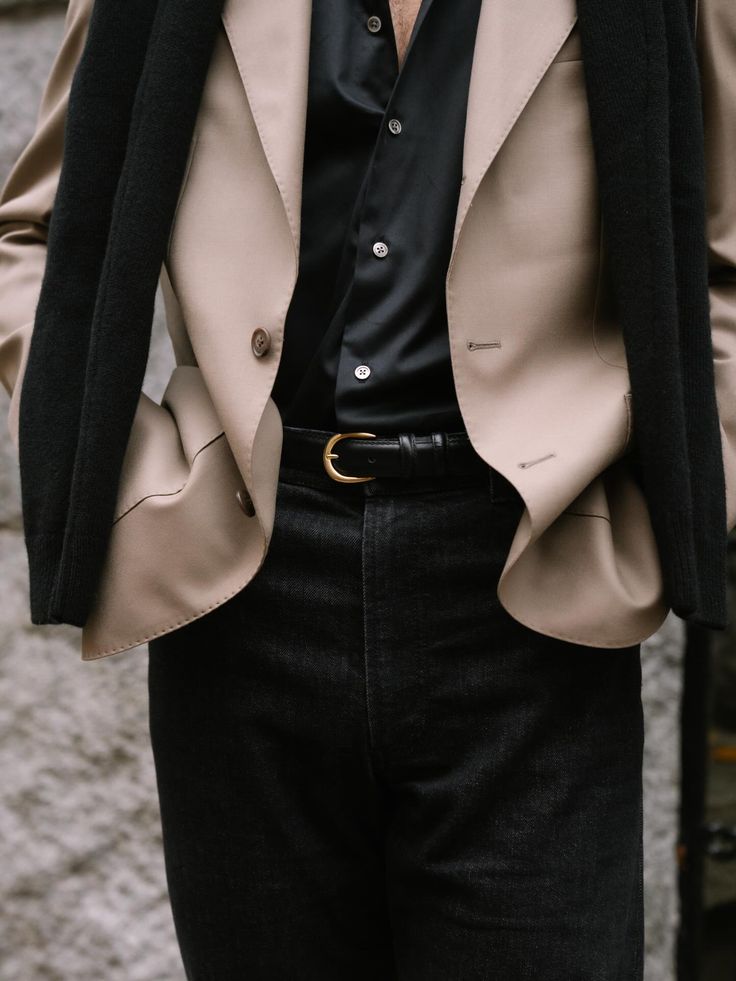

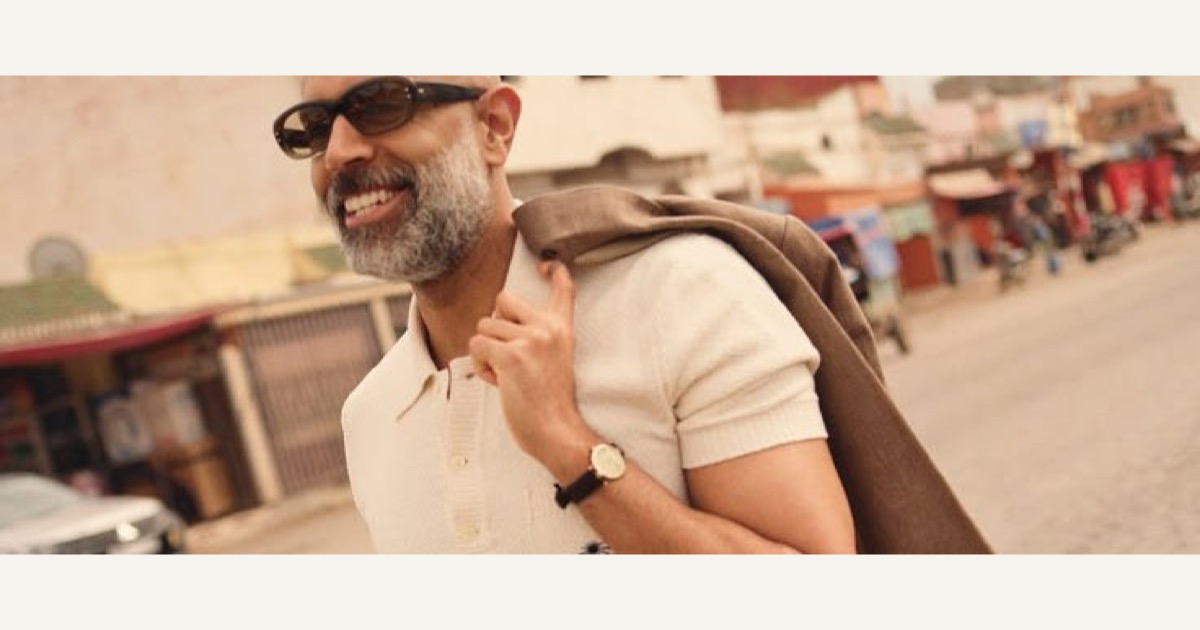
So here we are. Casual tailoring has returned. It is less about a stiff uniform and more about a symbol of personality, sharpness, and care for your presence.
I do not need to tell you that rigid five-day tailoring is no longer the norm, especially as a founder. Your life asks for something more precise: an approachable daily uniform that still has shape.
Back when your only style choice was the color of your tie (or which jeans went with your black T-shirt), life was easy. Building a wardrobe that feels polished and aligned with the post-building-phase version of you takes more thinking.
That is where Style Overlap comes in: trousers with a flattering fit that work in three settings, ideally on the same day. A blazer that sits as well over cashmere as it does over a shirt. Overshirts that feel relaxed while still looking intentional.
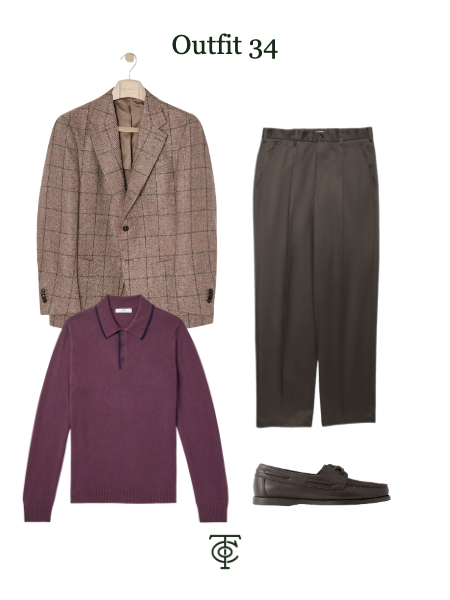
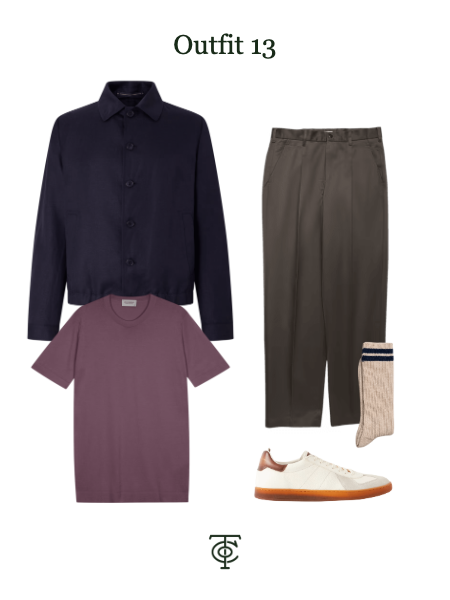
The principle is simple: fewer, better pieces, recombined constantly. Built on your Style DNA rather than the 43-year-old influencer who just entered your feed. A tight edit that keeps its shape while trends move around it.
You own less. When you open the wardrobe, you still have options. Only good ones.
Style DNA 101: Start with yourself first
Everyone is different, but with the post-pandemic founders I work with, comfort and style both have to be present. The key is defining a framework for styles, fits, and colors. My clients learn that this data does not live outside them or on a feed.
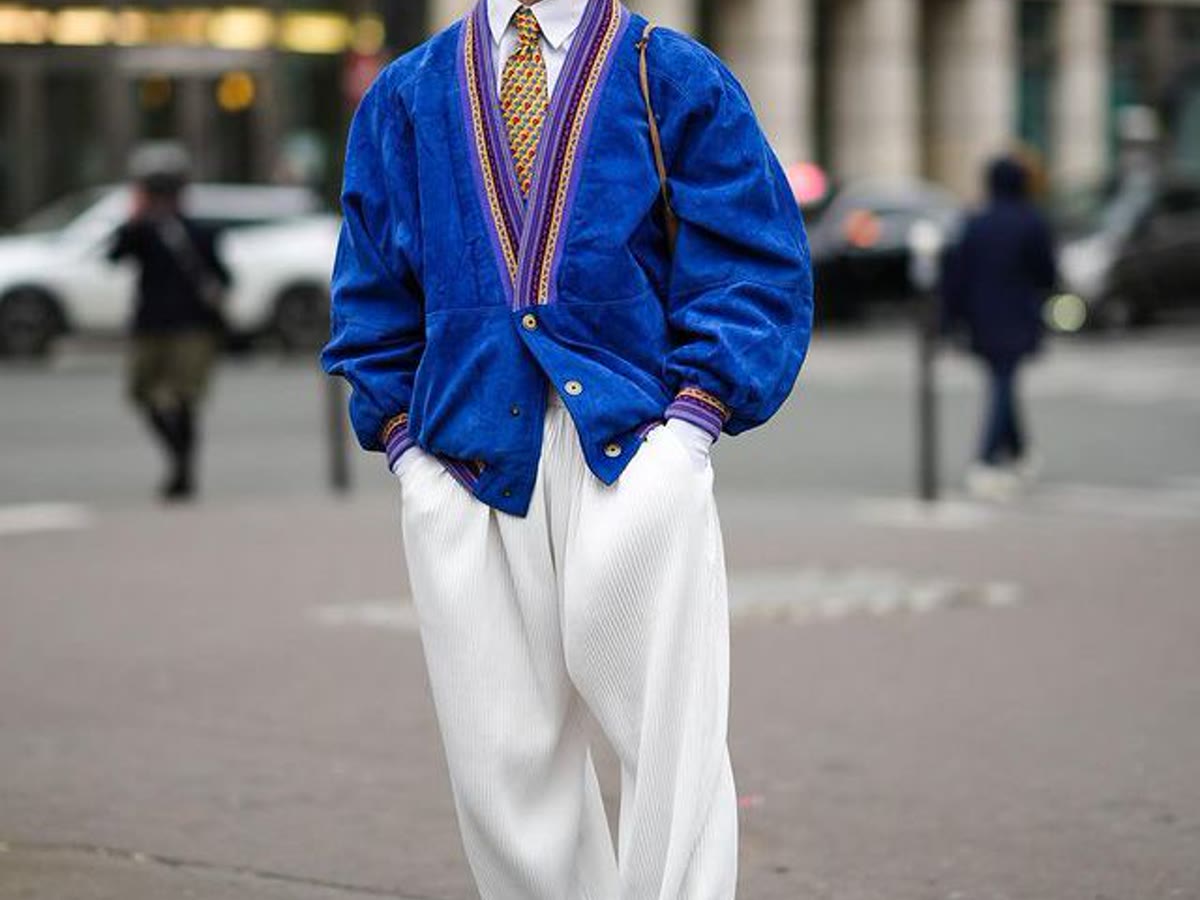
You are the only reliable source for it. So the first move is to look closely. Slim jeans may be your default now, even if they are no longer doing much for you. Maybe the tighter fit makes you self-conscious. Then the extremely wide grandpa styles that are in right now make you feel juvenile.
You are old enough to look past trends, yet you do not want to dress a century behind. I get it. A better answer is to define a go-to trouser fit from what flatters your body and what feels current enough for your life.
Apply that thinking to every category in your wardrobe. Look at colors. Materials. Be honest and specific. Some things can stay.
The more you rule out, the less overwhelmed you'll be.
How to approach building your wardrobe
Investing wisely matters. The company may be doing well, and the point is to keep it that way. The goal is a closet that does more than visually update you. It should support the way you move.
1. Life audit first, curation second. Ask what your life actually needs from your wardrobe, then let that decide the investment order. You do not need five dress shirts if they only leave the hanger twice a year.
2. The best investments are never one-trick ponies. Style Overlap again. If your wardrobe has a history of work uniforms and a neglected casual side, you need hybrids more than two separate closets. What can carry you from desk to dinner, conference to concert?
3. Cost-per-wear beats budget. The higher tag is not the whole question. The real number is what it costs each time you reach for it.
4. Every piece needs a reason. Curating means screening properly and refusing to rush.
5. Trust the specialist in the field. A quality wardrobe can be built with one rule: buy from the brand that makes the strongest version of that piece. The label obsessed with selvedge denim. The one that has spent decades refining one shoe. Match the specialist to your body and your life, then hold the standard there.
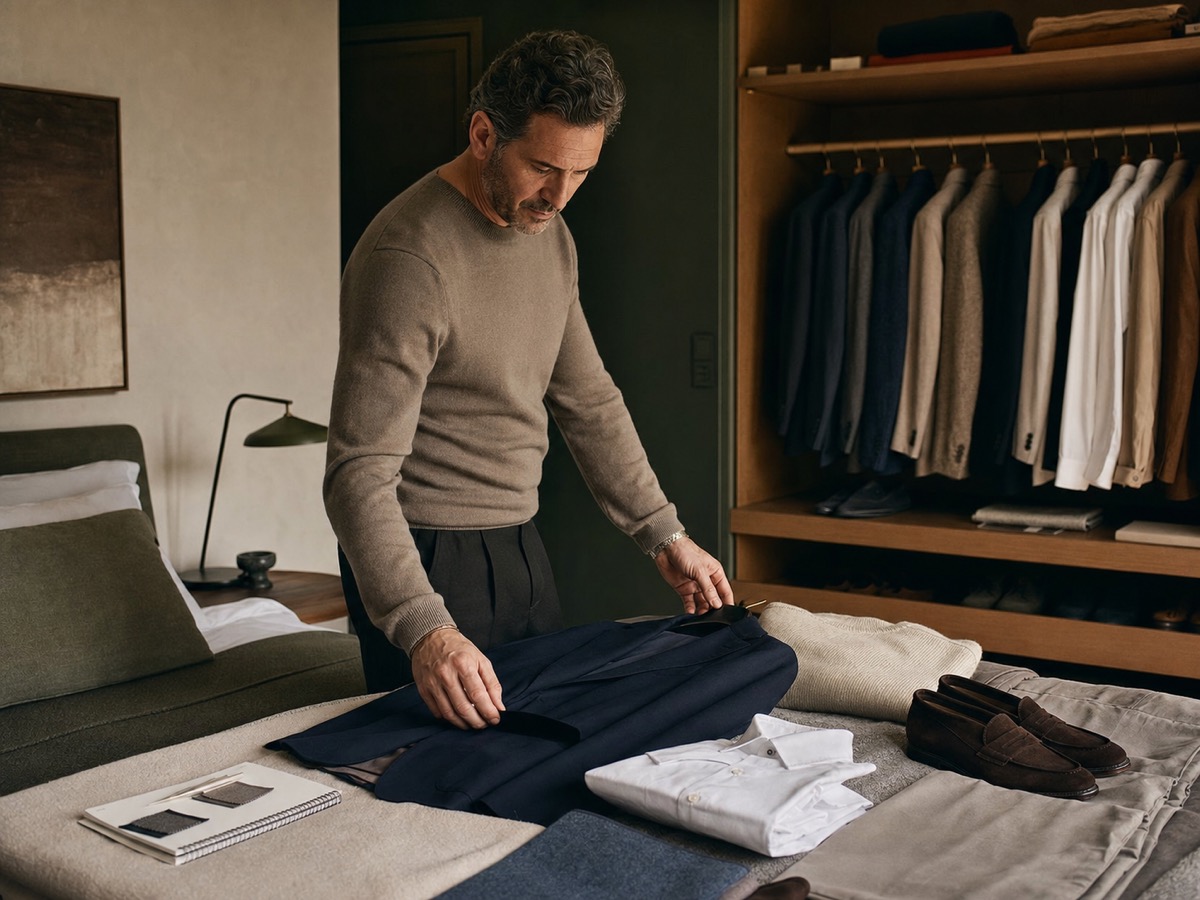
Example: One client replaced a pile of random polos and ill-fitting shirts with three versatile button-downs, two long-sleeve polos, and two unstructured blazers. The blazers work over cashmere for investor meetings and over a tee for factory visits. His trousers keep one consistent fit that moves from desk to dinner.


The part that matters most
We tend to overthink style. Understandably. Style, and stylish people, seem to be everywhere. Inside your own closet, it is not always as obvious.
Style is an extension of who you are. It should stay that way if you want to feel at home in your clothes. Who do you identify as internally? Where is that man going, and what does he stand for? Let that compass lead. Your feed is not the answer.
Most founders build systems for growth and freedom, then never apply the same thinking to the thing they start every day with: getting dressed. That is what keeps them visually stuck in startup mode, with a diluted presence and a closet where eight so-so pieces carry too much weight.
Confidence does not arrive after you "make it." It starts with how you show up every day. Treat your wardrobe like your business. Systemize it, remove the noise, avoid short-lived trends, and build with a curated team. In style, that team is your clothes.
The first step is to audit your style. Do it in 2 minutes with the Founder Style Archetype quiz & get 3 immediate wins to improve.
Take the quiz