Piacenza 1733, and why an algorithm can't dress you
Hello gents,
Q1 is done, just like that.
Not that it's ever any different.. But this past month has been a full one. I opened The Curated Continuum™ to Q2 alumni, worked with new clients across Puerto Rico, Germany, and the US, and listened to a podcast conversation that made me think differently about where AI sits in the context of personal style and wardrobe management. More on that in a moment.
If you've been sitting with a wardrobe that isn't working like you'd want it to, telling yourself Q2 is when you'll sort it, this is Q2.
Let's get into it.
The Brand Spotlight
Most men have never heard of this month's brand. Some of them are wearing it right now. Not because it's out there. Because for nearly three centuries, it had no reason to introduce itself. The tailoring houses it supplied did that for it.
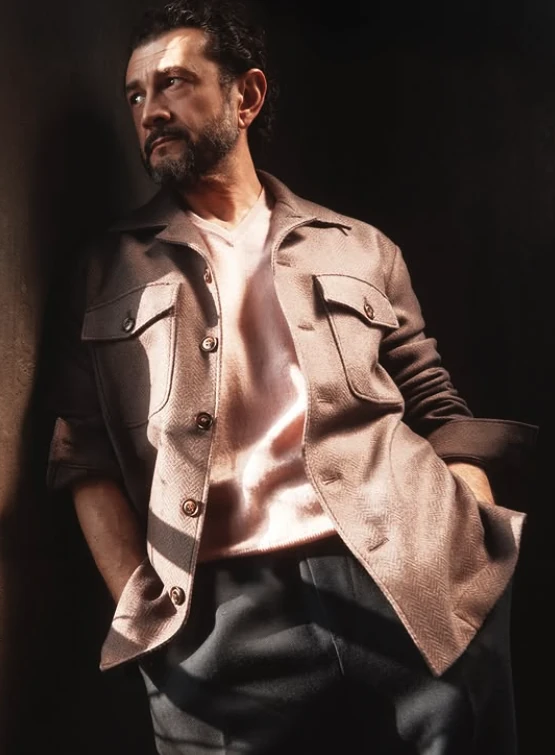
Piacenza 1733
Oh, the charm of heritage brands. As the name states, the Italian family brand, specialized in cloth, dates back almost 300 years, and was founded in the scenic Italian Alps. With 14 (!) generations of knowledge passed on, that's not exactly what you'd call a founding story. More like a proven track record.
For most of those generations, the label didn't need publicity: the tailoring houses they supplied did the talking. When the finest ateliers in Naples and Florence had a fabric question, Piacenza was usually the answer. You've likely worn it, too.
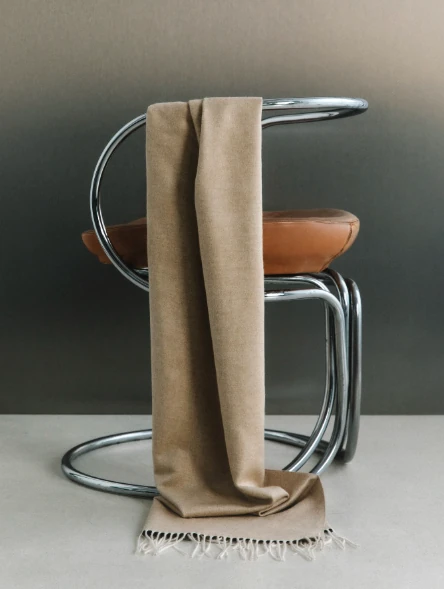
What makes the mill so great, next to this century-old track record, you ask?
Well, the fact that the brand still oversees every stage of production, from raw fiber selection through to the finished fabric. That level creates fabrics with a hand-feel that's extremely difficult to replicate at scale.
With at the top (and my favorite): their cashmere. The Piacenza family has spent generations sourcing the finest raw fibers, traveling to Mongolia, the Himalayas, and North Africa to find them. The result is fabric that feels like it belongs on you, not just on your body.
Since the 90s, Piacenza has expanded into a curated ready-to-wear selection. Soft knits, luxury scarves, jackets, accessories. Pieces that give you direct access to the same quality that's otherwise only available through a tailor's order book.
Worth knowing… and worth owning.
Love: their knit, cashmere polos. What else?
Some links here are affiliate links. If you buy through them, I may earn a small commission at no extra cost to you.
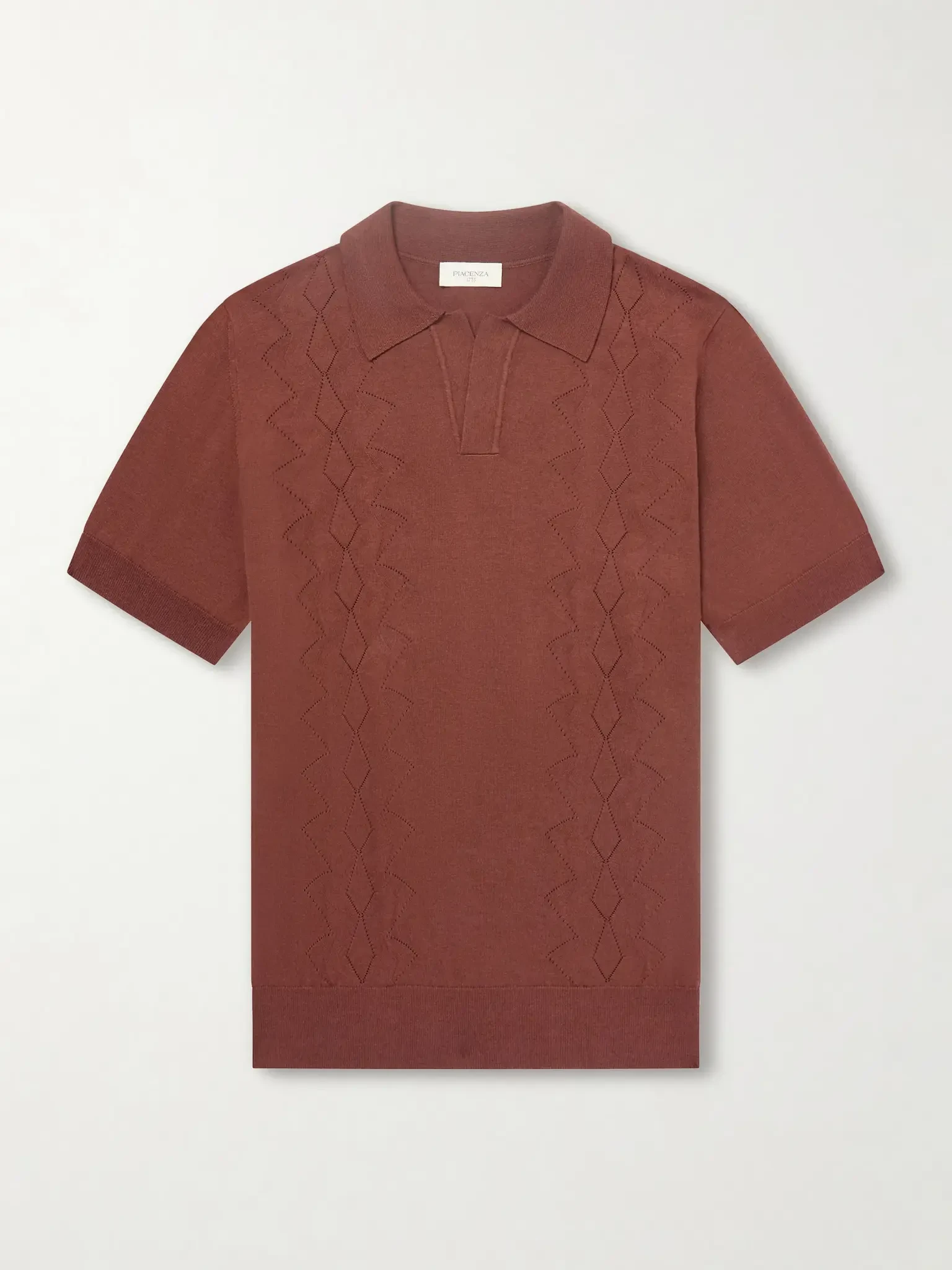
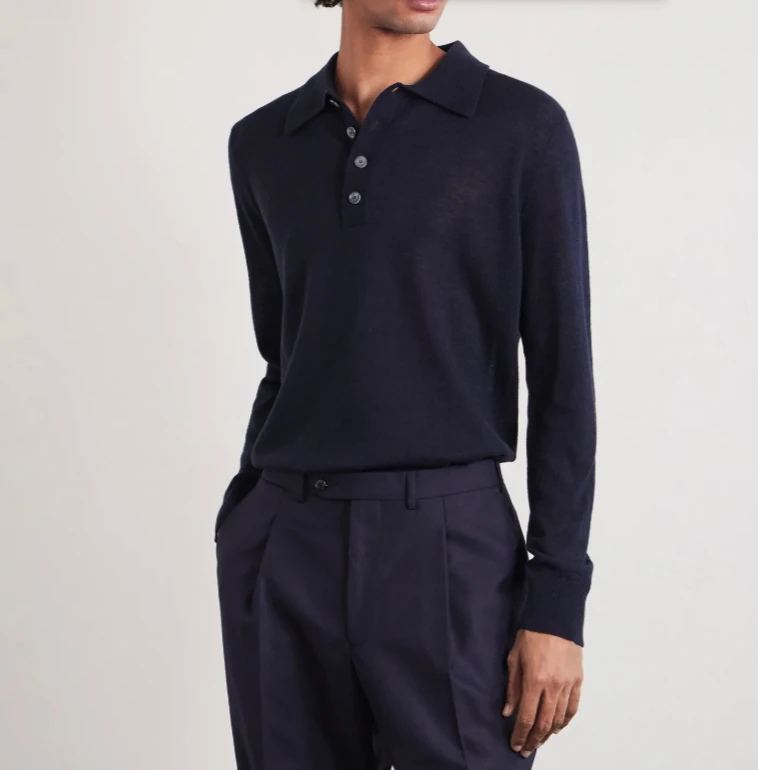
Click the links to shop
Your AI wardrobe has data, but it'll never have judgment.
My partner Florian is deep into OpenClaw. Automations, full teams of agents running. He recently recorded a podcast episode with a guest who's taken this thing further than most. Mind you, he's a developer. So it won't exactly come as a surprise that he didn't just automate his business, but mostly his entire personal life.
Automated groceries based on the pantry's contents, service providers in the area negotiated with and scheduled on his behalf. He mentioned that he'd digitized his entire wardrobe, too. Every piece tagged and catalogued, with plans to feed it into a combination engine. The algorithm suggests outfits based on the weather and recent wear patterns.
I get it. It's efficient. It's the kind of solution a certain type of mind finds genuinely satisfying.
But here's where it stops working:
An algorithm knows what you own. It doesn't know what you need.
It can't read the temperature of the room you're walking into. It doesn't know that the last time you wore that jacket to that client, something was off. And what that was (the combination with the shirt or the jacket itself?). And.. that you need to walk in differently today.
It doesn't know that this pitch matters more than the last three combined, plus you have a dinner with a potential new investor that a very good friend of a friend introduced you to a decade ago, later that day. So you need to feel like the most accurate version of yourself the moment you step through the door.
There's a reason surgeons have pre-operative rituals. Why some athletes wear the same kit on matchday. Why some of the best leaders I've dressed have a few go-to formulas for meetings that count. They're performance anchors, deliberate choices that signal to your own system, "I've done this before, I know what I'm doing, I'm ready."
That's not something an algorithm builds for you. It's self-knowledge applied through clothing, and it only comes from actually living these situations.
The most useful thing a well-built wardrobe gives you isn't a set of options that work for a 22-degree day. It's the confidence that your clothes won't be a distraction, even when you haven't had to think about them at all.
AI can help you organize what you have. But it'll take a loooong while before it'll tell you what your presence requires in a given room on a given day.
That is still yours to manage.
Not sure where your wardrobe actually stands?
Have a good one,
Rinske

Rinske Fris, founder of The Curated Outfit. 11 years in menswear as a personal shopper, menswear buyer and men's stylist.