Rubato, and how to take inspiration from a runway show
Hello gents,
Today officially marks the halfway point of 2026. Wherever you are reading this from, I hope your summer is shaping up well.
Now, onto the Curate. This month, I'm covering a brand that knows exactly what it is and isn't trying to be anything else, and a topic I love talking about: how to actually take inspiration from what you see without falling into the trap of 1:1 copying. This time, men's runway shows. With one of my favorite brands, Zegna.
Enjoy!
The Brand Spotlight
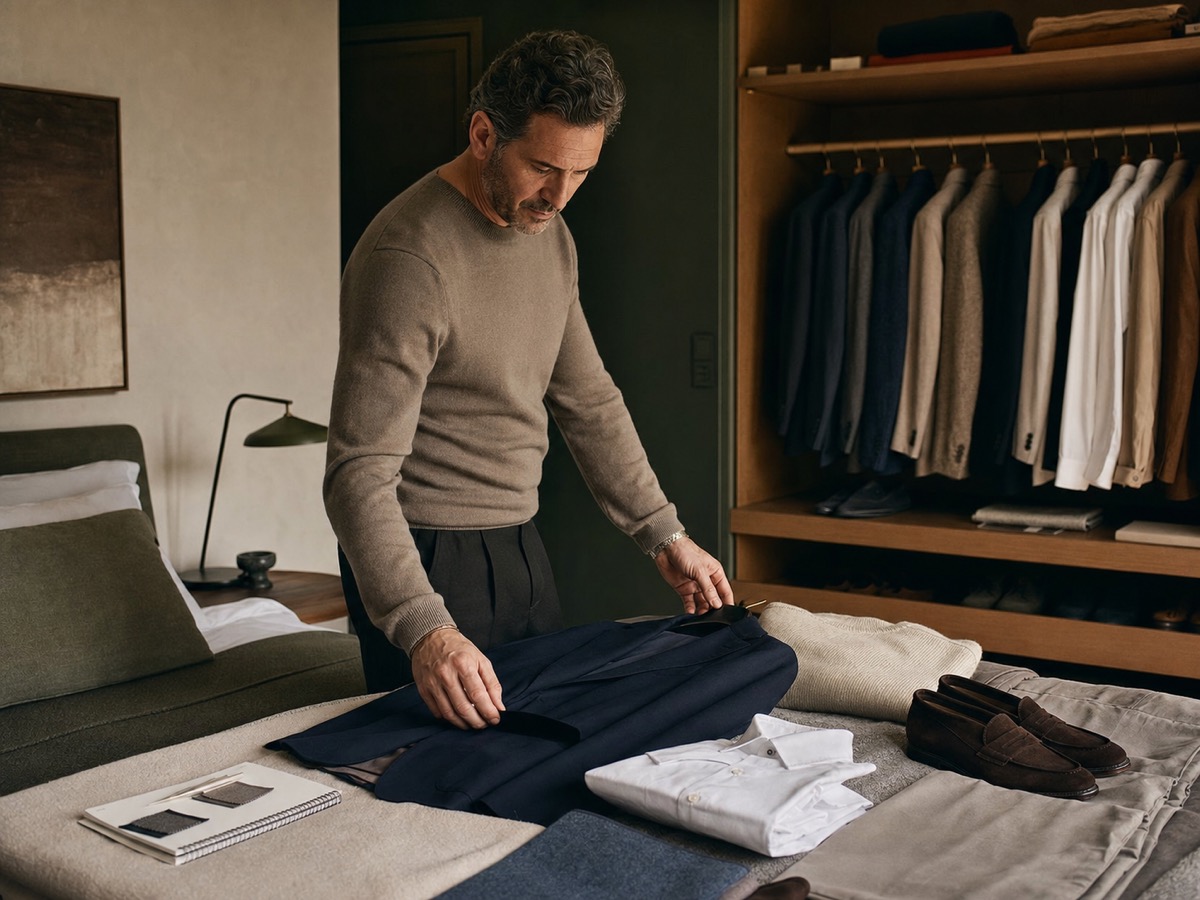
Even if this brand is quite young in comparison with other industry leaders, I never once felt that when I discovered it, around two years ago. Rubato is a brand for the man who knows what he likes, but just wants someone to make it slightly better than he could find in the usual places. I've always had a thing for Scandi brands, but this is not the typical minimalist with streetwear influences you're used to upon hearing that phrase.
Rubato
Rubato started the way most genuinely good brands and businesses do: out of frustration. Founded by two friends in the city of Stockholm as they kept running into the same problem. They liked a color but not the cut, loved a collar but the ribbing was wrong. Vintage pieces had it right, but nothing new on the market did.
So in 2018, they made the knitwear they couldn't find. What was once a "I'd be happy if we sell five knits" turned into being fully sold out in just a day. The dream of every new business owner. Both founders have a history in vintage, which for me is one of the strongest backbones of a brand: each piece is built with knowledge of what "real" clothes used to be, and used to be able to hold up against.
Rubato draws from 1920s through 1960s workwear and tailoring, but that doesn't mean the collections look or feel stiff. Which is kind of expected for a brand that just turned 8 years old. They updated the cuts, but the through line of subtle nods to this era is always here.
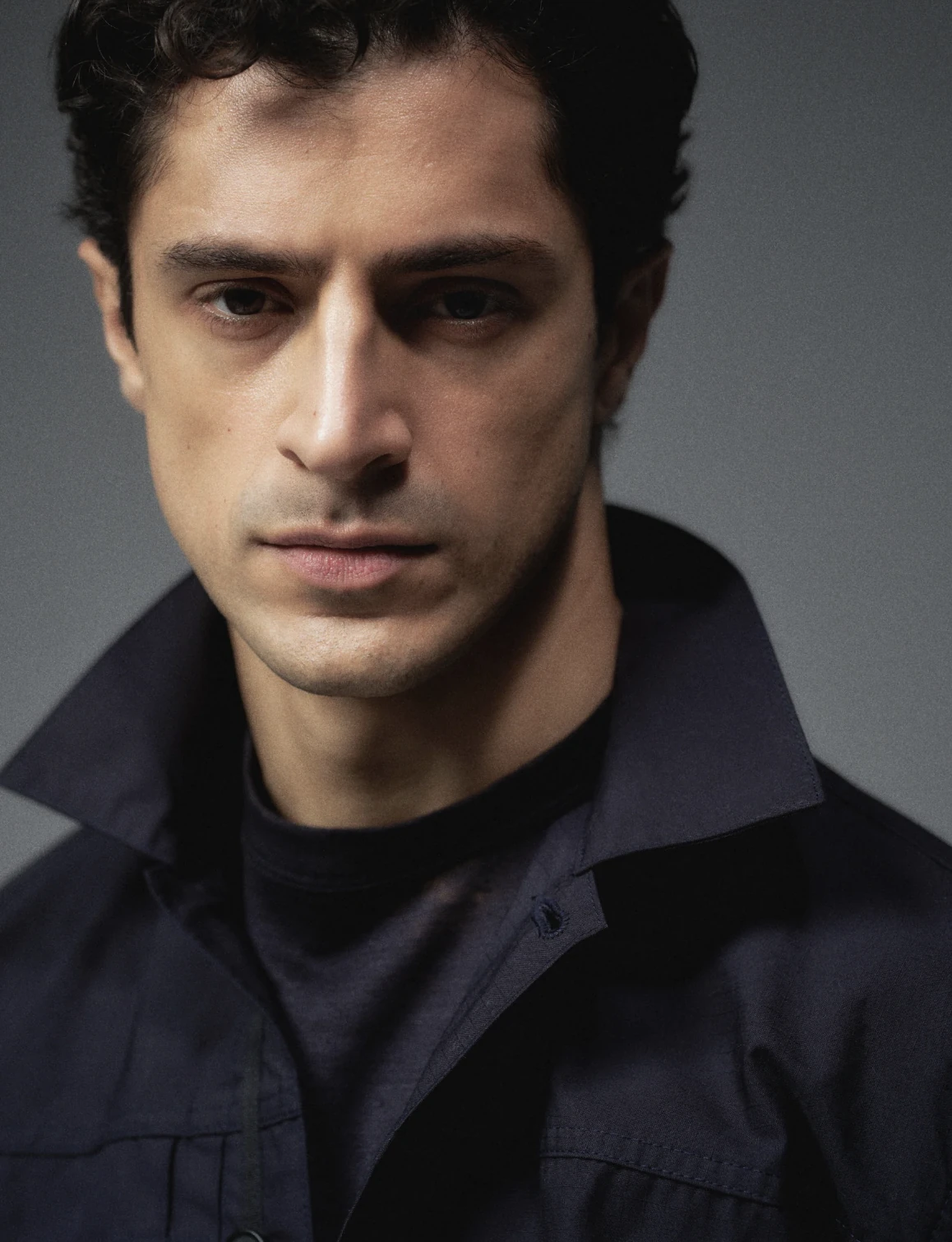
Not overly Scandi, but influences of the North do show up clearly in the color palette. It's muted, natural, and earthy. Lots of deep brown, classic navy, light olive, off-whites. The tones that most men naturally feel good in.
What makes Rubato so great? In my eyes, they're one of the only brands I've seen make something that's having a trend moment (think the Barbour/wax jacket) their own, in a design that feels timeless and continues to make sense long after the trend has faded.
As I mentioned, I love when brands come from a good background (vintage) and are created out of pure need. A strong foundation, and it shows. They still remain strict on quality control. Something quite rare in the current menswear landscape, especially when labels experience fast growth. Knits are still the strongest category, but chinos and pants are a strong follow-up.
Love: their knits and French pocket deck pant
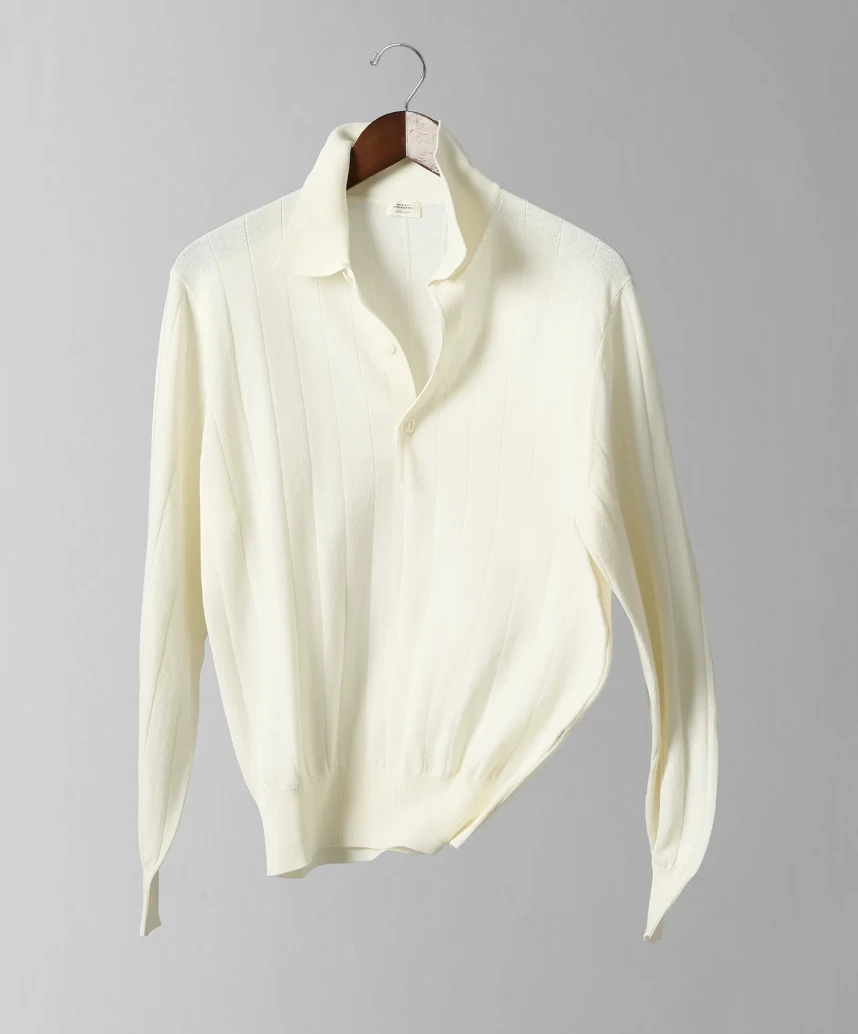
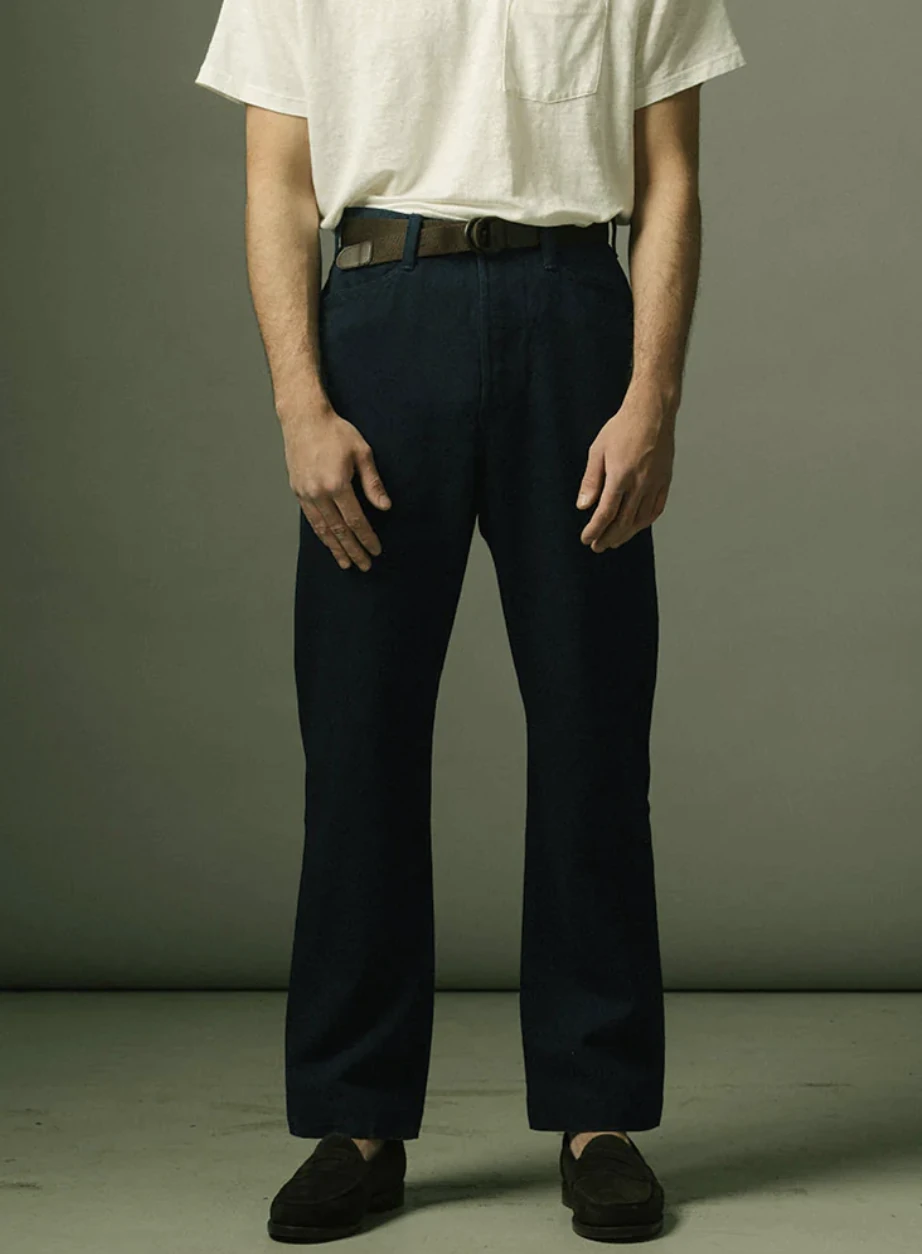
Click the images to shop (not affiliated/promoted)
Style Strategies: the real way to take inspiration
I'm not the type to go out of my way to watch runway shows. But every so often, a brand naturally draws my eye, and Zegna's Summer 2027 show did exactly that, two weeks ago.
I think it works similarly for most men. Runway isn't the first place style inspiration usually comes from; content creators and people you follow are. But it's a deeper, often overlooked layer (because it's very fasjún) worth paying attention to.
Looking at a runway photo, your first thought is likely something along the lines of "I could never wear that. Nobody actually dresses like that." You're right. And I say this with love, but you're also missing the point.
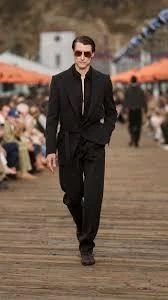
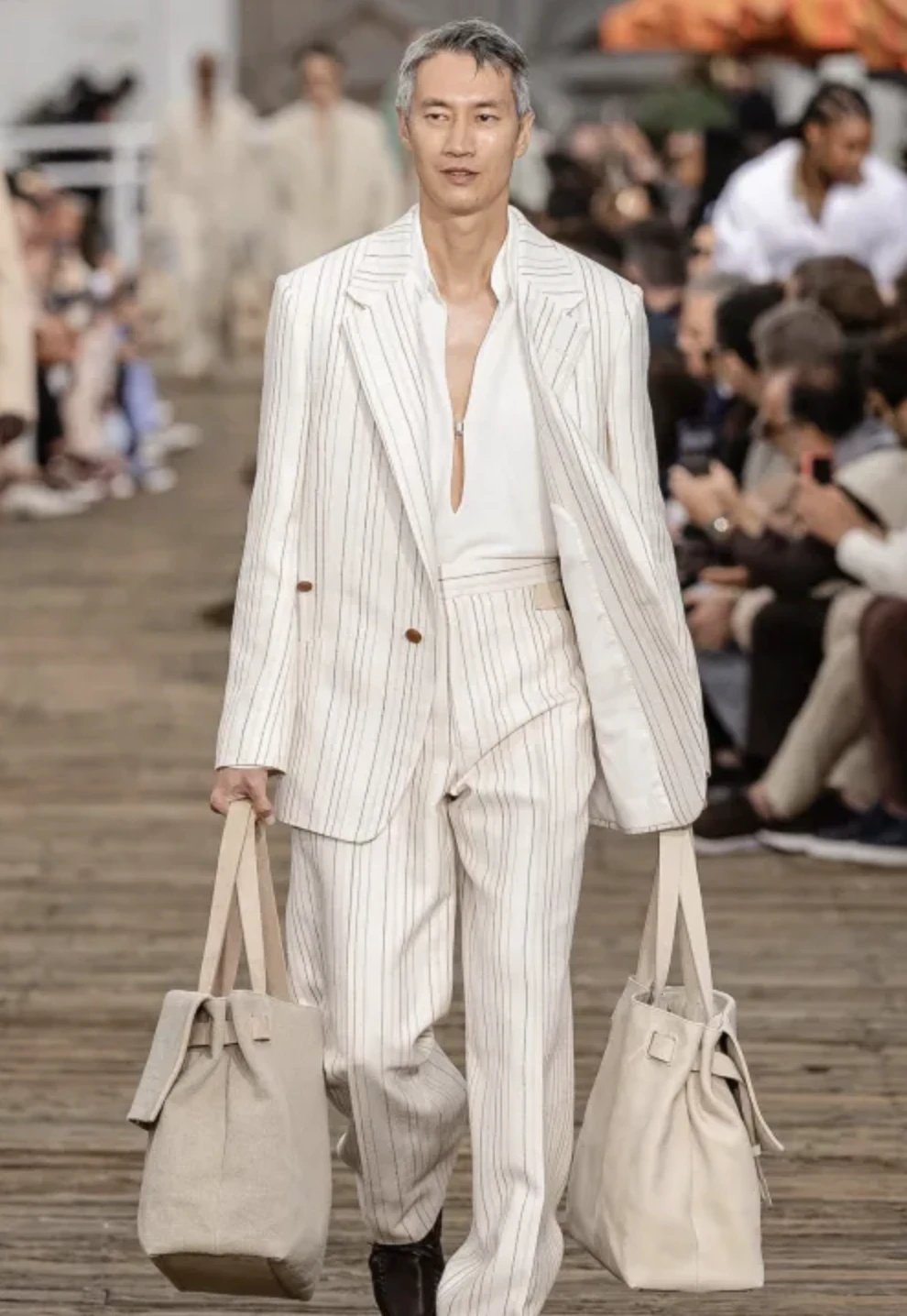
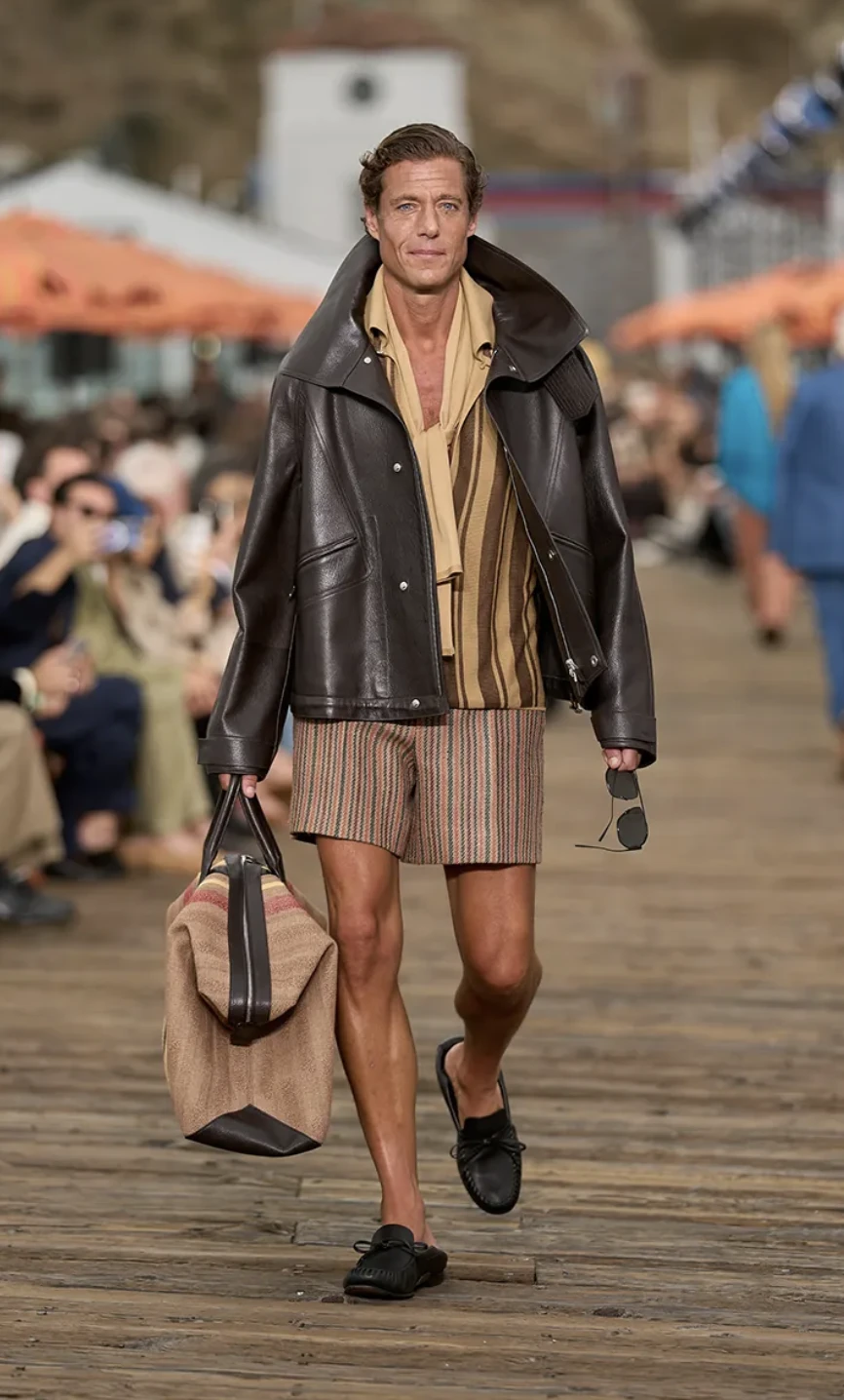
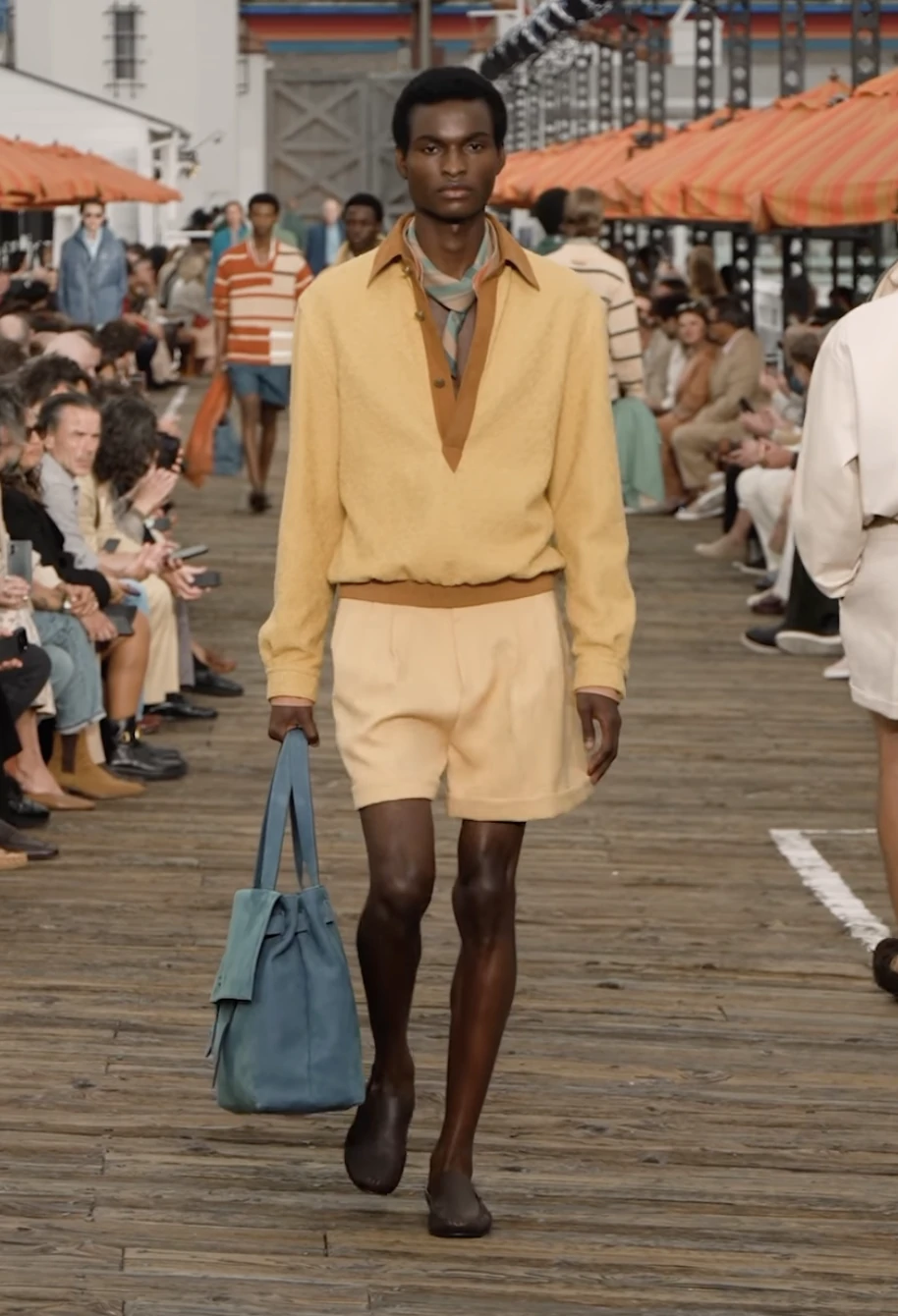
A runway show is never an instruction manual. Taking what actually applies to your life, and leaving the rest exactly where it belongs is the way to go.
So what does that look like in practice? A few ways to pull from a show like this:
-
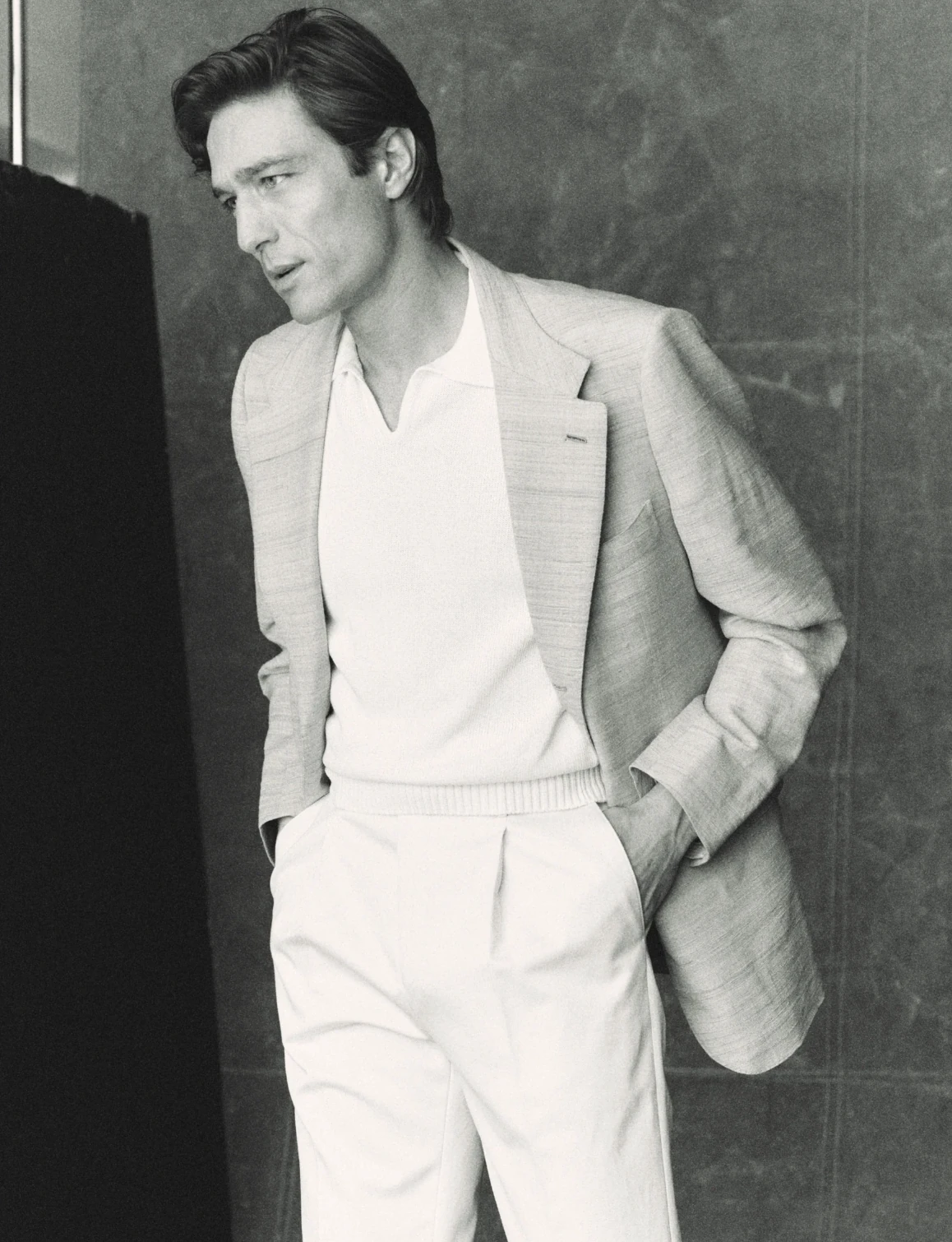
A tonal, ton-sur-ton color combination.
Low entry, since you can build it from pieces already in your wardrobe. -
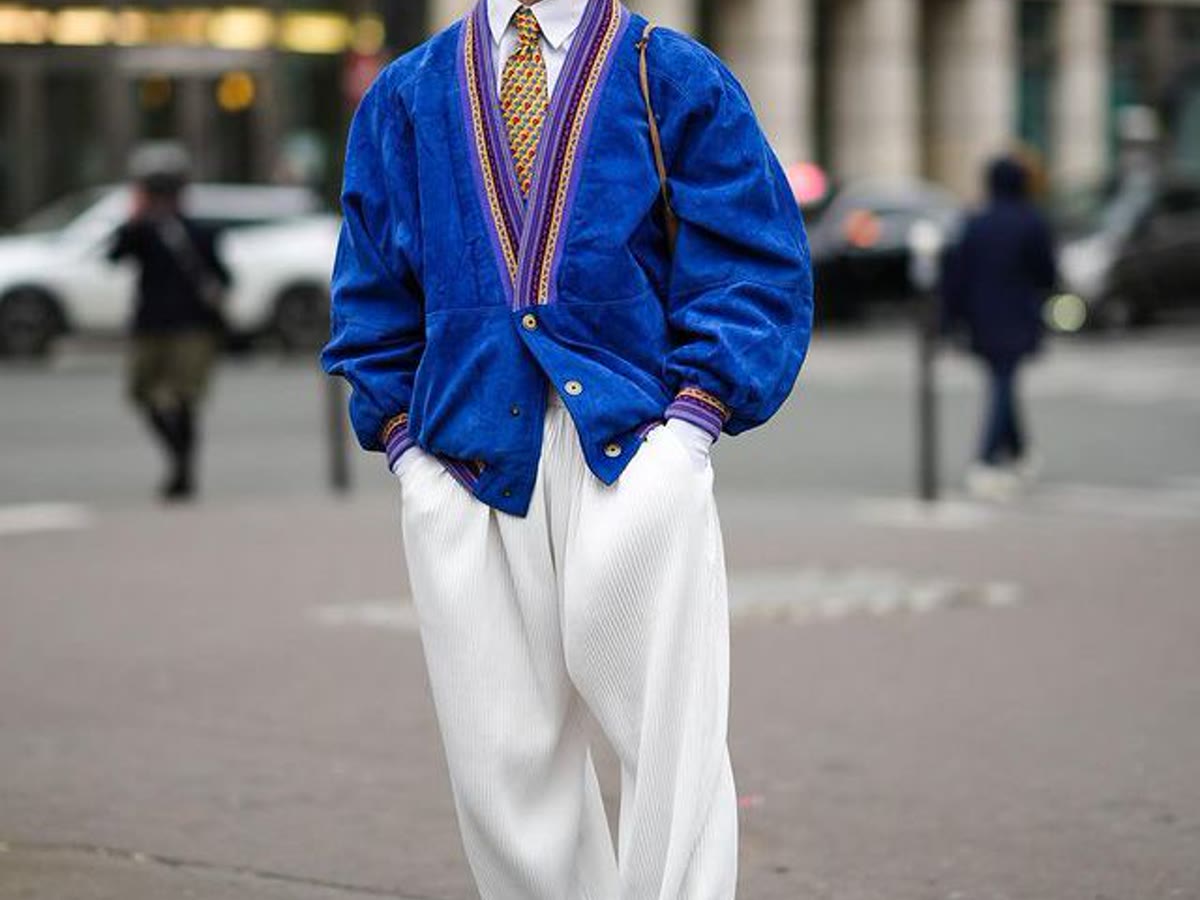
Retro colors, especially relevant this season.
-
A matching set that isn't a classic suit.
Medium entry, but it doubles your outfit options the moment you have it, which is Style Overlap™ at work. -
A cardigan worn under a sports jacket instead of a shirt.
Take the concept; think buttoned and lightweight, almost shirt-like, just knitted. -
A popover shirt instead of your usual button-up.
Small swap, low entry, noticeable difference.
None of this requires becoming a different person. It requires looking at something you'd normally scroll past and asking a better question than "would I wear that?"
Ask instead: what is it about this that I actually respond to? The lower contrast in the colors? The tonal dressing? A shape you haven't tried? A combination or piece that reminds you of something that didn't quite work before, and now might work now that you've seen it in another light?
That's not aesthetics for the sake of it. It's unsexy, but it's data. Data that rebuilds the connection to your own taste, so you rebuild trust in your judgment instead of outsourcing it every time you get dressed.
Have a lovely summer,
Rinske

Rinske Fris, founder of The Curated Outfit. 11 years in menswear as a personal shopper, menswear buyer and men's stylist.