Personal Branding Style for Men
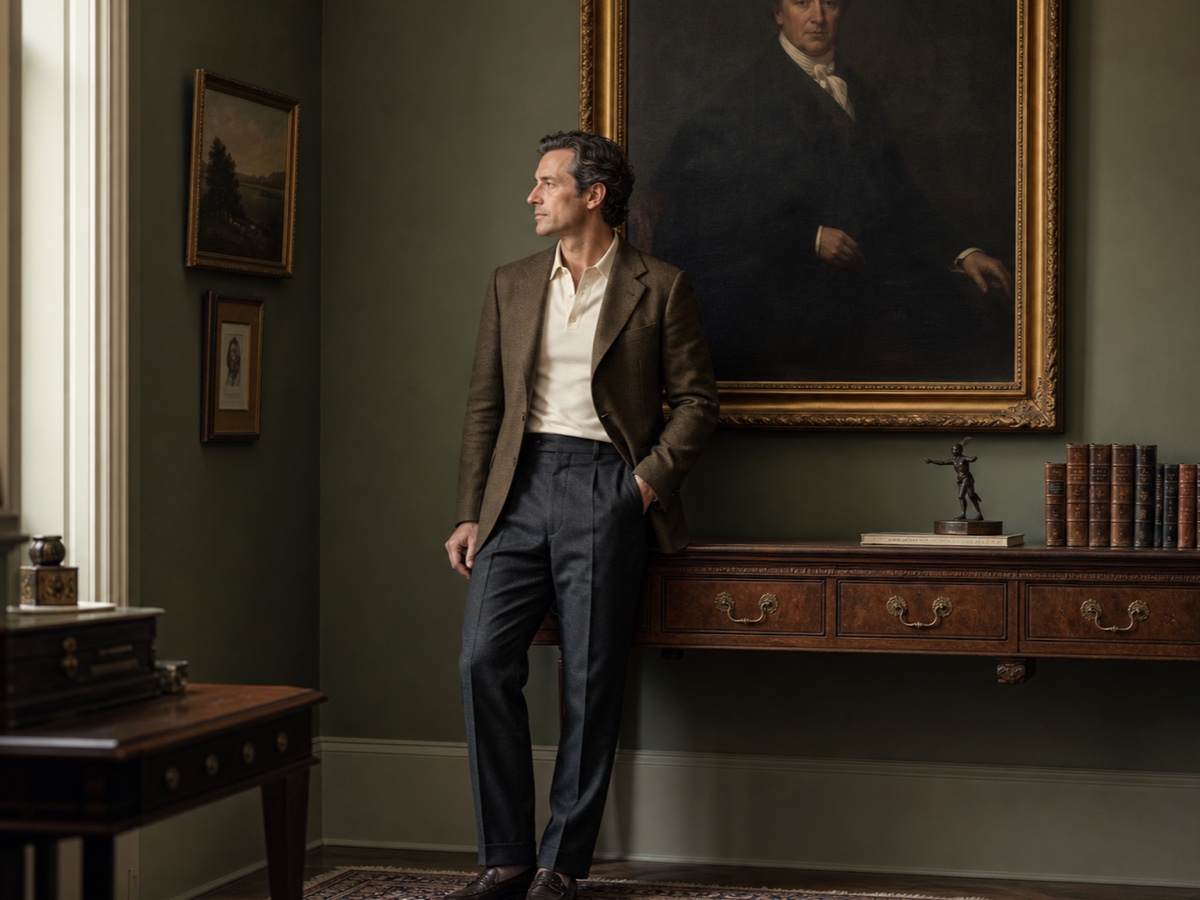
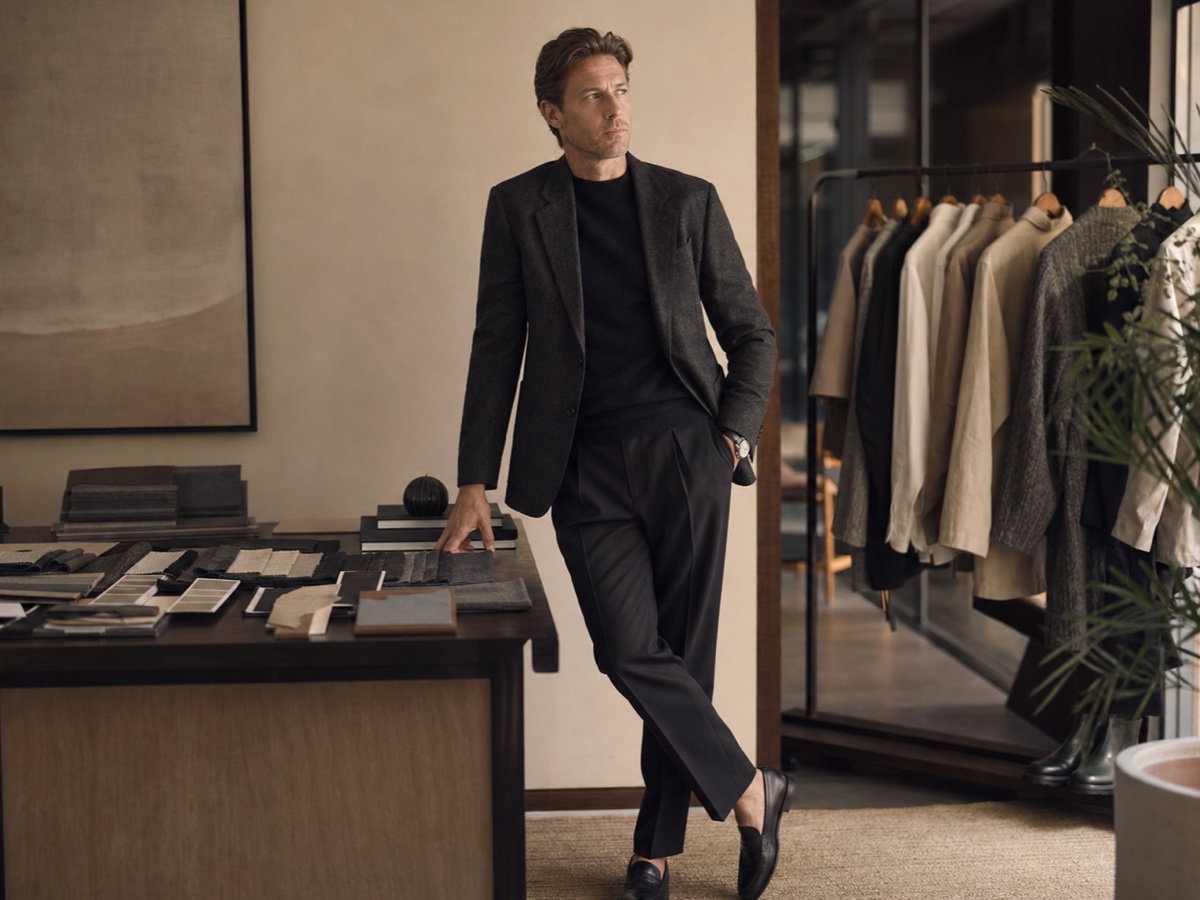
Personal branding style for men is the part of your brand people read before you have explained yourself. It is your clothes, grooming, fit, color, and level of formality working together often enough that people understand the signal quickly.
For a founder, executive, consultant, or senior operator, this is not vanity. It is friction management. Your wardrobe should make it easier for people to place your competence, not harder.
The danger is treating personal branding like a photoshoot. You can look sharp in one set of portraits and still have no idea what to wear on a Tuesday, to a client dinner, or when you are travelling between rooms with different expectations.
Start with what your work needs people to believe
Good personal branding starts with the job your clothes need to do. Before you decide whether you are a blazer person, a knitwear person, or a more casual founder, write down the three qualities your work requires from other people.
Most TCO clients land somewhere around clear, serious, warm, precise, current, calm, experienced, or commercially sharp. Those words are not decorative. They change the wardrobe. Clear usually needs fewer competing details. Warm needs texture and color. Precise needs fit and clean lines. Current needs proportion that does not look frozen in the last decade.
If you skip this step, you end up copying another man's wardrobe. That may give you outfits, but it rarely gives you congruence. A stronger starting point is the work you actually do and the rooms where people make decisions about you.
Separate personal brand from personal taste
Your taste matters, but your personal brand cannot be built from taste alone. Taste tells you what you like. Brand asks what people need to understand when they see you.
A man may love soft vintage tailoring, work in a high-trust advisory role, travel constantly, and present on camera twice a week. His wardrobe has to hold all of that. If it only follows the inspiration image, it becomes fragile. If it only follows the business context, it becomes generic.
This is where a personal style process becomes useful. You are looking for the overlap between what suits your body, what fits your calendar, what you genuinely like, and what supports the way you want to be read.
Build three repeatable style signals
Most men do not need a dramatic signature look. They need three repeatable signals that show up across the wardrobe.
The first is silhouette. Are your clothes relaxed and substantial, sharp and structured, lean and minimal, or soft and layered? The second is palette. Do people repeatedly see you in navy and white, deep earth tones, charcoal and cream, muted blues, or warm neutrals? The third is texture. Smooth worsted wool says something different from suede, brushed cotton, linen, knitwear, or corduroy.
These signals become the quiet architecture of your wardrobe. They let people feel consistency without seeing the same outfit every time. That is more useful than buying one loud jacket and hoping it becomes your thing.
Make the wardrobe work beyond the headshot
Personal branding advice often leans toward the visible profile: LinkedIn photos, website portraits, podcasts, stages, interviews. Those moments matter, but they are only the front door.
The real test is repetition. What do you wear to an investor call, a strategy lunch, a hiring conversation, a conference lobby, a family office meeting, a warm-weather work trip, and the casual team day where everyone else is in sneakers?
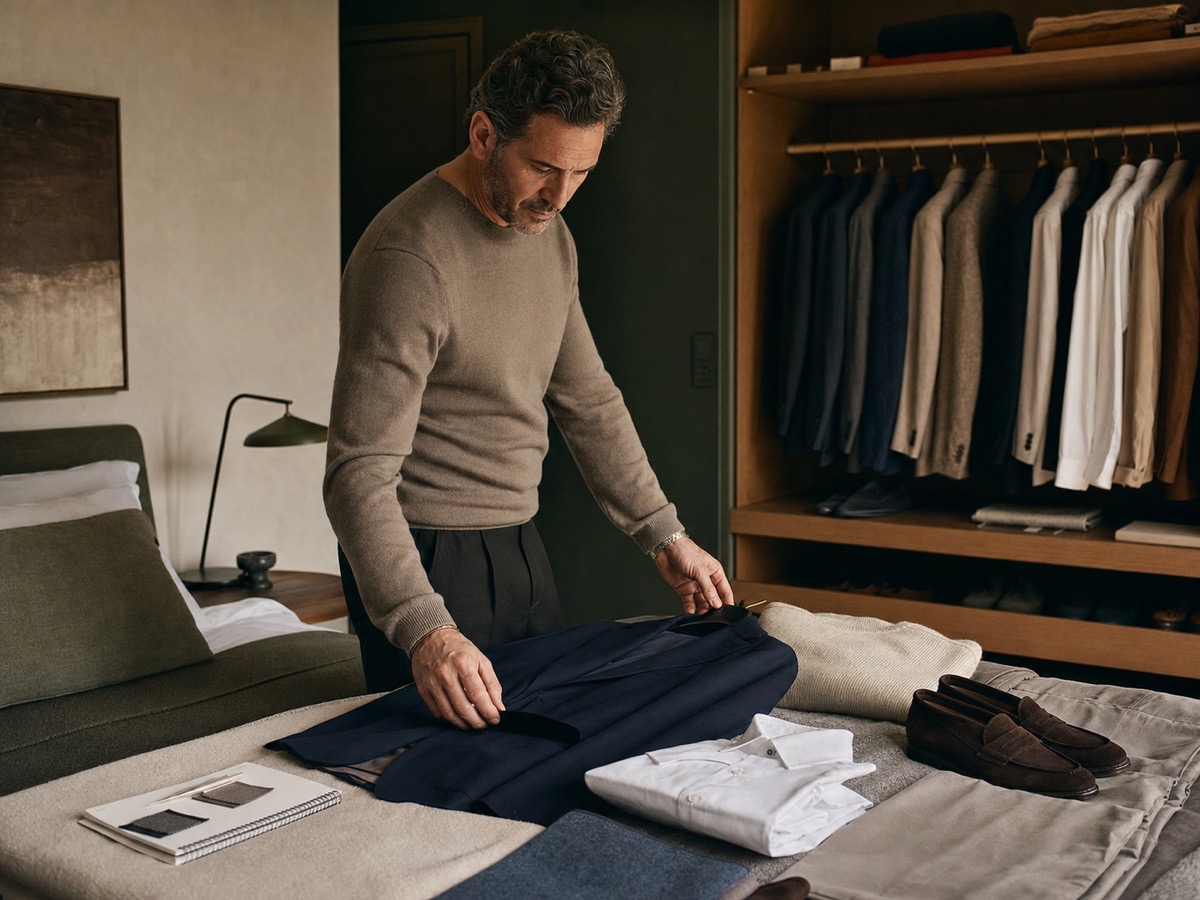
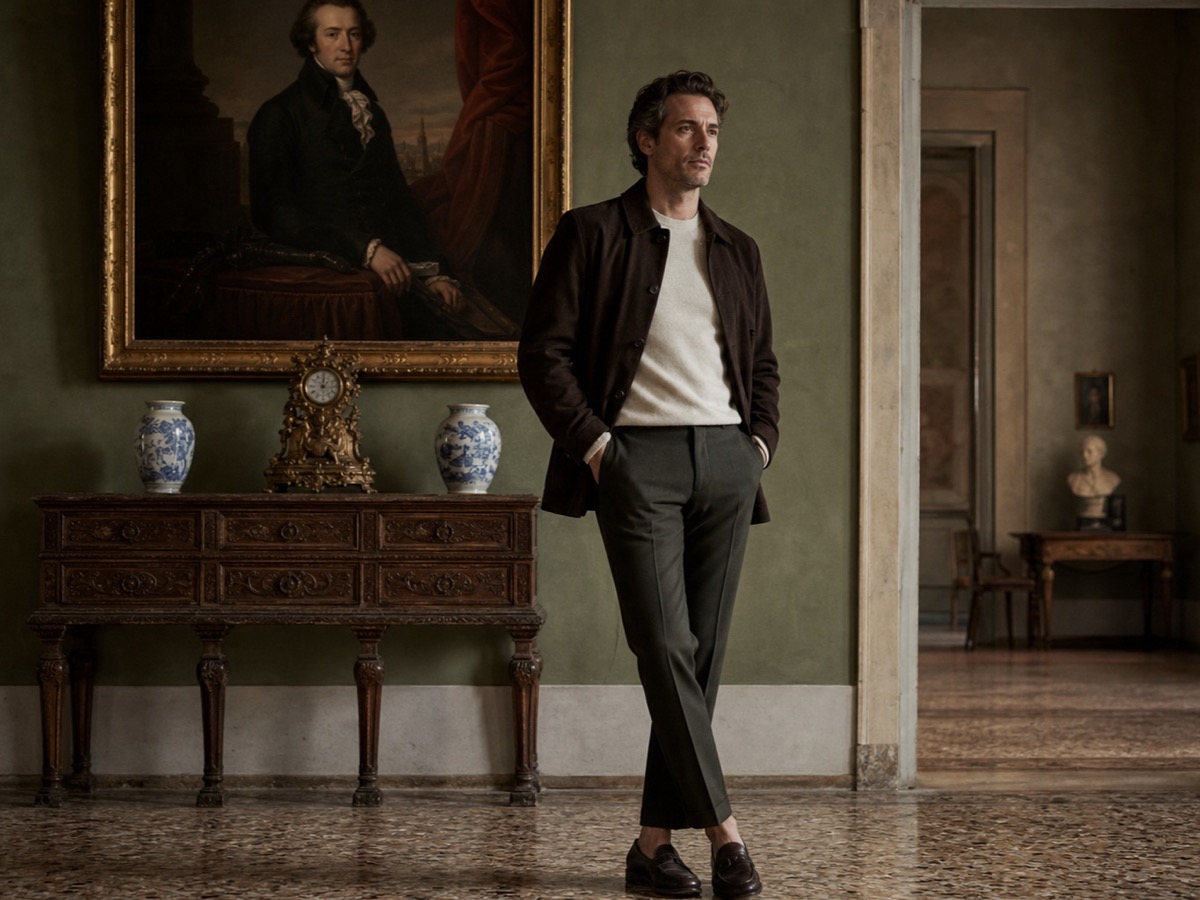
For that, you need outfit formulas. A soft jacket with a fine knit and tailored trousers. An overshirt with wool trousers and loafers. A dark suit worn with a relaxed shirt when the room has weight but not ceremony. A refined travel outfit that still looks like you after a flight. The formula matters because your brand has to survive real life.
If your week moves between settings, connect this work to a small executive capsule rather than a collection of one-off looks.
Use formality as a dial
One reason men struggle with personal branding style is that they treat formality as a switch. Suit or casual. Office or weekend. Dressed up or dressed down.
Modern authority needs a dial. You may need a level-four outfit for a client presentation, level-three for a private dinner, level-two for a travel day, and level-five for a boardroom or formal event. The clothes should change, but the man should still feel the same.
This is especially important for founders and consultants. Too formal can create distance. Too casual can create doubt. The right level of formality makes the interaction easier because the clothes fit the room before anyone has to think about them.
Do not make the wardrobe too anonymous
Many capable men overcorrect toward safety. They choose navy, white, grey, brown shoes, plain knitwear, plain coats, plain everything. Nothing is wrong, but nothing is remembered.
Personal branding style needs a point of view. That does not mean being loud. It might be a warmer palette, a stronger trouser shape, better collars, softer tailoring, a specific texture mix, a preference for knit polos over shirts, or an intelligent use of olive, espresso, cream, tobacco, or ink blue.
The aim is recognition. Someone should be able to see three of your outfits and understand the logic. If every outfit looks like it could belong to any competent man with a decent budget, the brand is not yet doing enough work.
Check the weak points
Personal brand usually breaks in the details. Shoes that are too casual for the rest of the outfit. Shirts that collapse on camera. Jackets that pull at the waist. Trousers that look dated because the rise or break is wrong. A watch, belt, or bag that belongs to an older version of your career.
None of these details matter in isolation as much as menswear culture pretends. Together, they decide whether the wardrobe feels coherent. A wardrobe audit is useful because it shows you where the message currently leaks.
Look at your last ten important work situations. If the same uncertainty keeps appearing, the issue is not a lack of clothes. It is usually a lack of rules.
When to get help
You can build personal branding style yourself if you have time, visual clarity, and the appetite to test. Many men can get 70 percent of the way there by editing their closet, improving fit, and building formulas around their calendar.
Help becomes useful when the stakes are higher or the pattern keeps repeating. You buy good pieces but still do not get dressed easily. You look appropriate but not specific. Your role has changed faster than your wardrobe. Your public visibility has increased. Or your clothes feel slightly behind the man you have become professionally.
Inside The Curated Outfit, The Curated Reset turns this into a wardrobe system: what to keep, what to remove, what to alter, what to buy, how to combine it, and how the whole thing should read across your real rooms. It is built for men who want the result without turning style into a hobby.
FAQ
What is personal branding style for men?
Personal branding style for men is the visual system that makes a man's wardrobe match his role, visibility, and professional message. It includes fit, color, silhouette, grooming, formality, and outfit formulas so people read him clearly in work and public settings.
How should men dress for personal branding photos?
Men should dress for personal branding photos in clothes they can also wear in real work situations. Choose sharp fit, calm color, clean shoes, and one or two textures that add depth on camera. Avoid outfits that only work for the shoot and never appear in your actual week.
What colors work best for a man's personal brand?
The best colors depend on complexion, industry, climate, and the message he wants to send. Navy, charcoal, cream, olive, espresso, warm grey, tobacco, and muted blue often work well because they feel serious without feeling flat or overly corporate.
Is personal branding style different from personal style?
Yes. Personal style starts with what you like and what suits you. Personal branding style adds the professional layer: how your clothes help people understand your credibility, authority, warmth, specificity, and role before you explain anything.
Do I need a stylist for personal branding?
You do not need a stylist if your wardrobe already feels clear, current, and easy to repeat. A stylist helps when your clothes are good but disconnected, your role has changed, or you need a system that works across meetings, travel, public visibility, and daily life.
If your wardrobe is close but not yet communicating clearly, apply for The Curated Reset. We will build the system behind how you show up before the room has heard the explanation.