
What to wear as a business owner: the work wardrobe after the suit

Once upon a time, getting dressed for work as a business owner was the easiest part of your morning: you wore a suit. That was it. You picked between your classic navy blues, charcoals, maybe a pinstripe if you were in the mood. Followed by a crisp white shirt and one of your favorite ties.
And you weren't alone. Everyone played the same game. Back then, whatever closet in whichever home you would open, a neatly separated 'work' wardrobe and 'weekend' wardrobe would stare back at you.
A section for each occasion. Style (and life) were simple; there were rules. Above all, they were easy to follow.
Months, years went by. Slowly but surely, things loosened up. The suit went from solid first option to "maybe not every day…" Why?
Partly because of the oh-so-stylish Silicon Valley tech culture, which brought the complete opposite. Their philosophy: whatever's comfortable and practical enough for deep work will do. Comfort and practicality over presentability.

A relief for the tech boys themselves (the wardrobe just became even simpler); for suit-wearing men, these "Dress down Fridays" scrambled things into a messy blur.
Under names like "smart casual" or "business casual," some sort of not-quite-formal, not-quite-casual dress code emerged. Silicon Valley or not, everyone seemed to talk about it. But not many truly understood. Most men had no clue how to dress for it.
And then, of course, the pandemic was quickly used as a wildcard to lean into "dress down everydays" instead of keeping up with whatever that new smart casual thing was.
Meetings moved onto Zoom, and so did standards. Founders, execs, and partners took their calls in boxers or pyjama bottoms and a somewhat presentable top.
Many people believed this was professional.
Like it or not, the message became: as long as you're technically present, what you're wearing doesn't really matter. But if you do care about being seen as a serious leader, it really does matter. Clothes are now what the 2000s business card once was. A first impression, a first handshake.
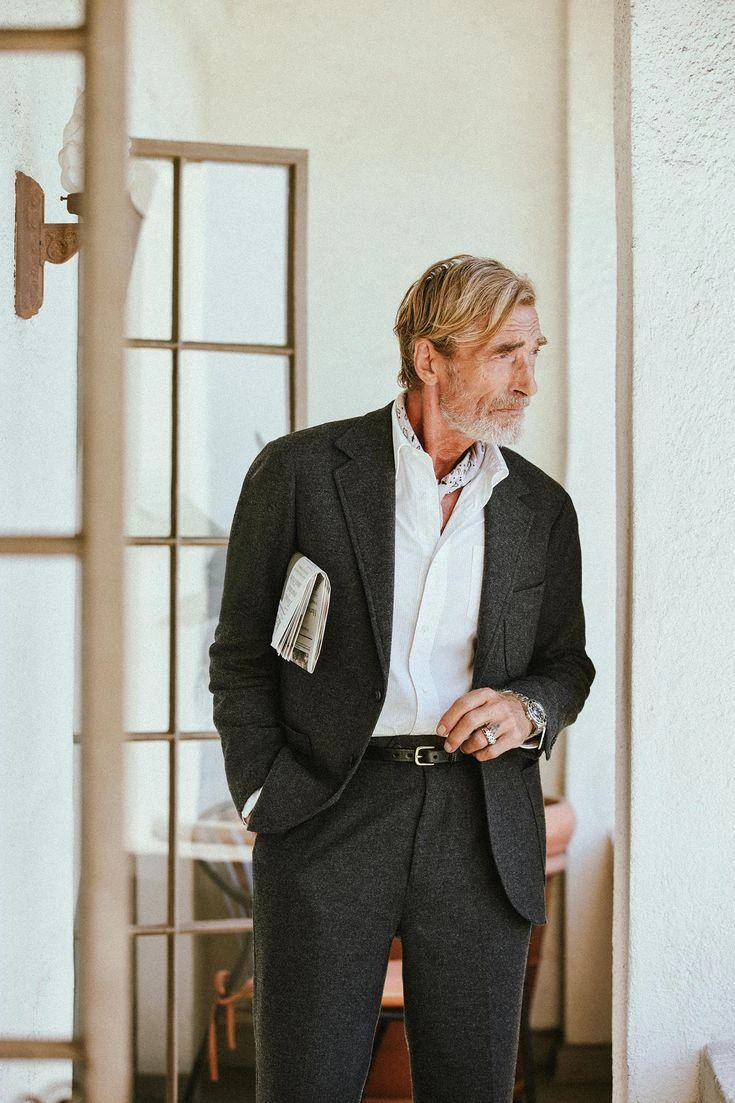
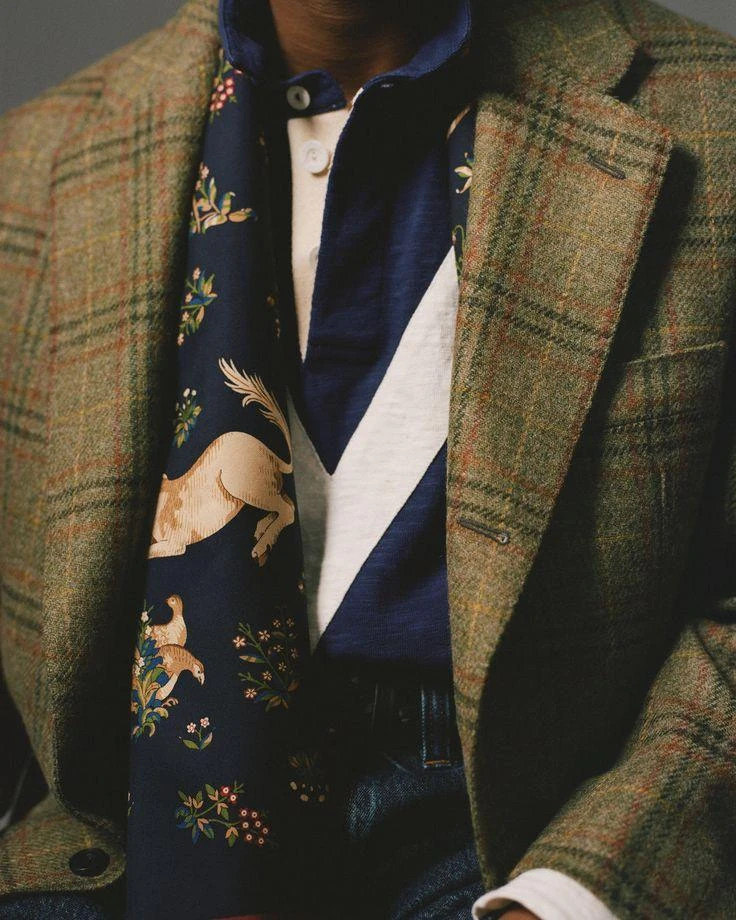
As if things weren't complicated enough, this year, too, tailoring is back. Not as an uninspiring, stiff uniform, but as a symbol of personality, sharpness, and actually caring about your presence.
I don't need to tell you that rigid, five-day-a-week tailoring is no longer the norm. Especially as a modern founder. Your life demands something trickier: an approachable, not-so-stiff, authentic, and functional wardrobe.
Back when your only style choice of the day was the color of your tie, life was easy. Building a wardrobe that looks polished and like the post-building-phase you? That takes more effort, time, and creativity.
It means thinking in Style Overlap™: great trousers in a fit that flatters your body and works in three different settings (preferably on the same day). A blazer that looks as good over a cashmere knit as it does over a dress shirt. Casual jackets and overshirts that feel comfortable but read intentional, not casual.
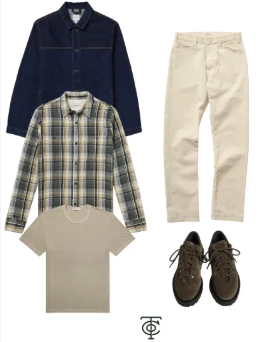
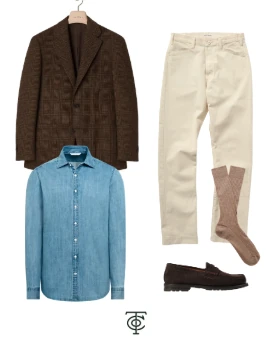
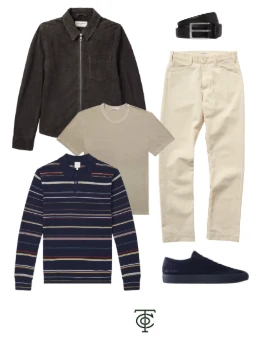
In a world where decision fatigue is the new normal, the yearning for simplicity has never been bigger. But: with authenticity.
The principle is simple: fewer, better pieces, endlessly recombined. Built upon your solid Style DNA & Authentic Style Code. Not anyone else's. No, not even that 43-year-old Style Influencer you just followed on the gram.
A solid, flexible wardrobe is a tight edit of high‑quality pieces that stand the test of time, with loads of Style Overlap™, and hold their shape stylistically as trends evolve around them.
You end up owning less. And the moment you open the doors to your wardrobe, you'll actually have options to wear. Not too many or too few; just enough to keep things fresh.
The essentials: Style DNA 101
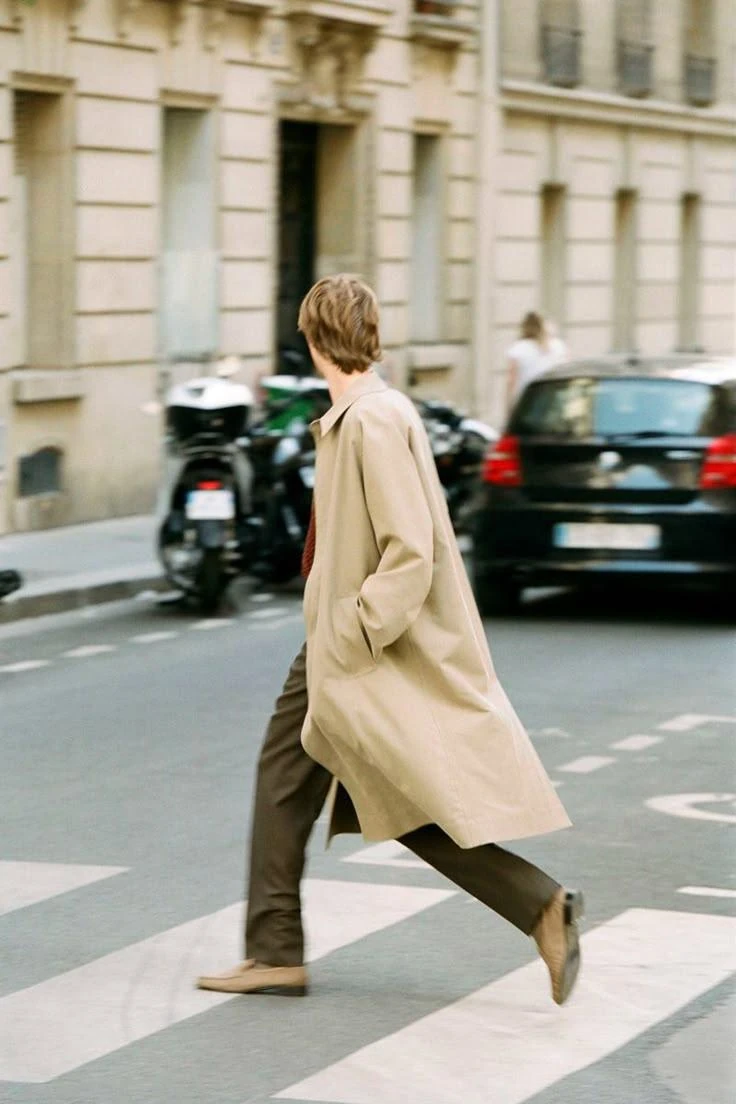
Everyone's different, but for the founders I've worked with post-pandemic, we've leaned into comfort and style. The key: defining a framework of styles, fits, and colors. What each of my clients has come to understand is that these things (data!) aren't found outside of them. E.g., on the internet.
Surprise: you're the only person to actually base and extract this data from.
Your first step is to dig deep. Sure, slim-fit jeans might be your go-to now and have grown to be comfortable (even if they're not that great), but the tighter fit makes you feel self-conscious. In a world where extremely wide grandpa styles are 'in', you feel.. juvenile.
You're old enough to look past trends, but don't want to stay a century behind. I get it. So, how about defining a go-to trouser fit out of the sum of what flatters your body type and a middle ground between those 2 fits?
Approach each product section of your wardrobe like this. Zoom in on colors. Materials. Be honest.. and specific. But note, not everything needs to change.
Here's the good part:
The more you rule out, the less overwhelm you'll experience.
Investing
Now that you're ready to invest, how do you actually build a wardrobe you won't regret? Because sure, the company's doing great. But we want to keep it that way.
The goal?
A closet that doesn't just visually "update" you, but supports you.
→ From dictated to deliberate.
→ From sameness to something special.
→ From avoiding style altogether to enjoying it.
→ From startup uniform to success wardrobe.
Let's dive in.
1. Life audit first, curation second (and avoid 'X items every man should own'-lists)
Ask yourself: 'What does my life demand from my wardrobe?' Let that lead to your investment strategy (hierarchy). You don't need 5 dress shirts if you only wear them at special occasions.
2. The best investments are never one-trick ponies
There's that keyword again. Style Overlap™. A past of uniform-driven work wardrobe and a neglected casual side calls for buying hybrids, not double wardrobes. What takes you from desk to dinner, from conference to concert?
3. Budgets are nice, but cost-per-wear is the real guideline
When you wear something 200 times a year, every upgrade compounds faster.
Put your budget where cost per wear is lowest and use is highest. A €550 jacket you reach for daily is cheaper in the long run than five €100 shirts you wear twice. This reframes the entire conversation: value, not price.
Cost Per Wear = Price ÷ Wears Per Year. The lower the number, the better the investment.
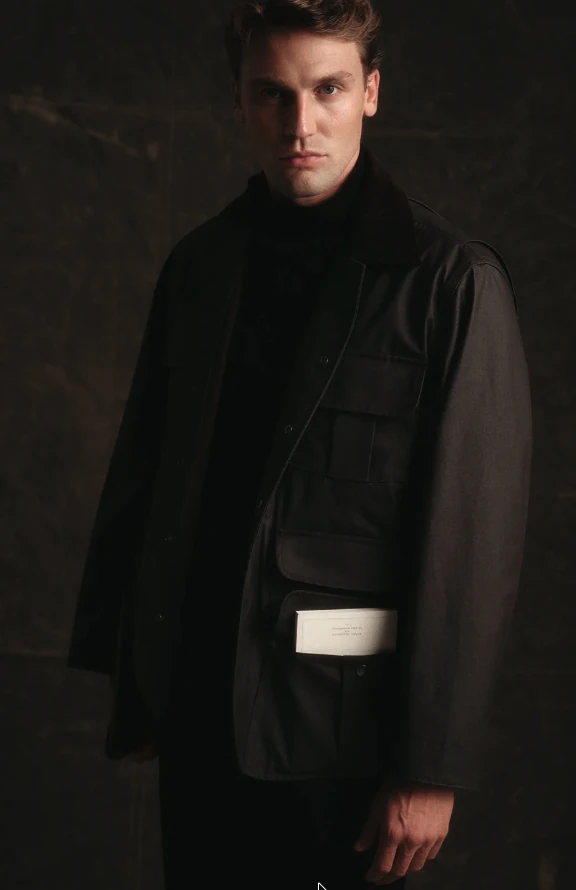
4. Not just anyone gets in. Just like that elite mastermind.
Every piece needs to earn its place. It's meant to last and serve a true purpose. Be selective. Curating means not rushing, performing a good screening, and recognizing the value of each piece. Is it a bit more than you expected? Calculate the cost-per-wear.
5. Who makes the ultimate version of what you're after?
Anyone - even with 0 clue - can build a quality wardrobe. The key? Go for the safest bet. That's always the specialist in the field. Think Fullcount for authentic, Japanese selvedge denim.
But with your body type, maybe Drake's is a better fit thanks to their design and sizing.. Settle for nothing less than the ultimate version.
For my clients, that looks like this:
Some links here are affiliate links. If you buy through them, I may earn a small commission at no extra cost to you.
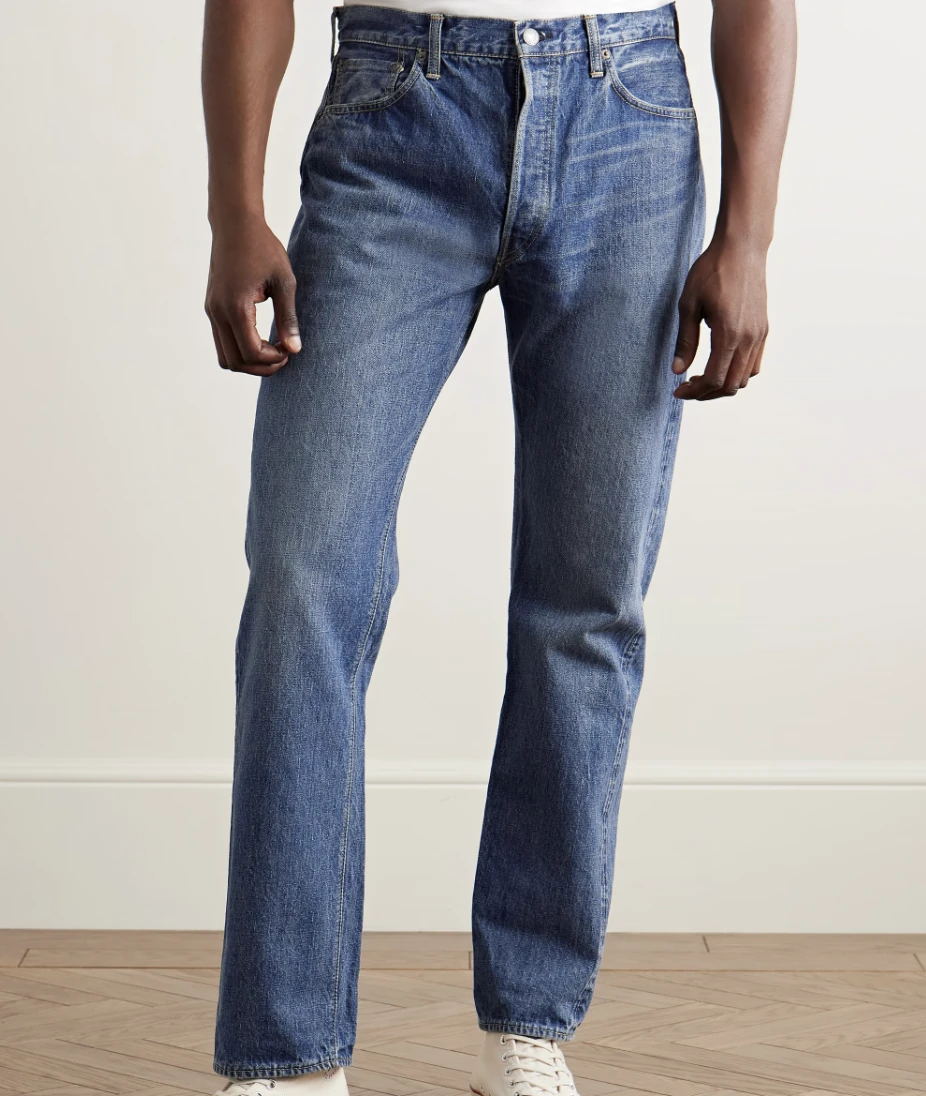
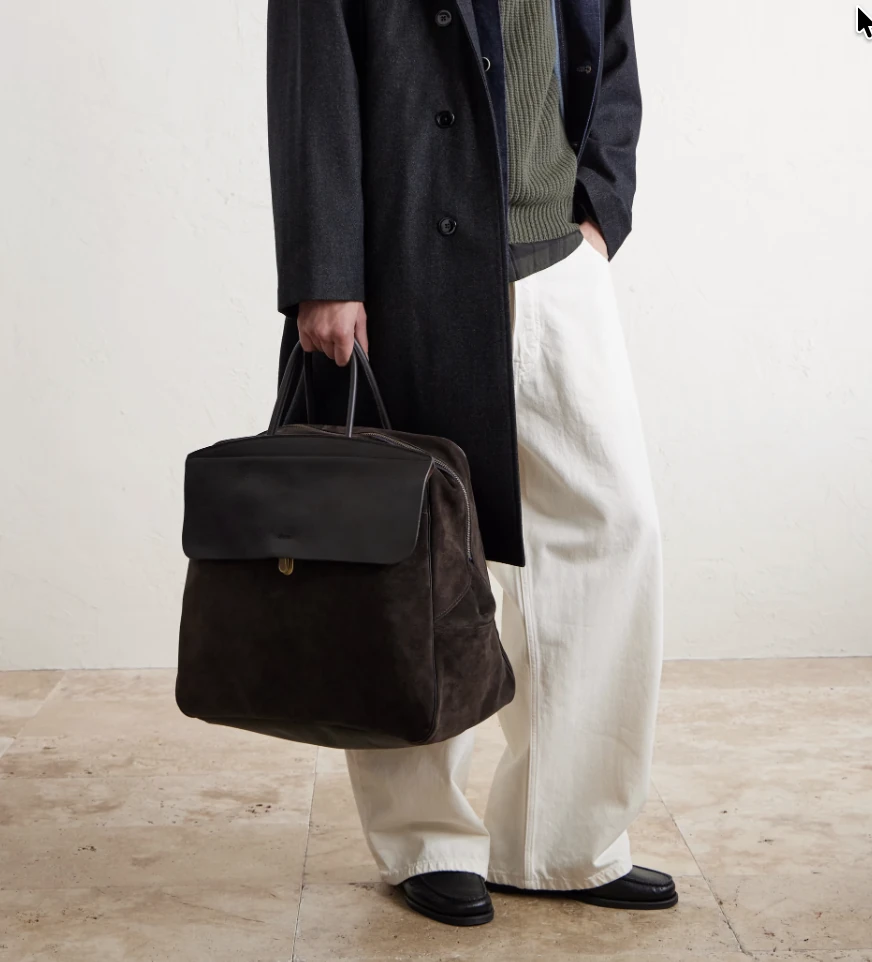
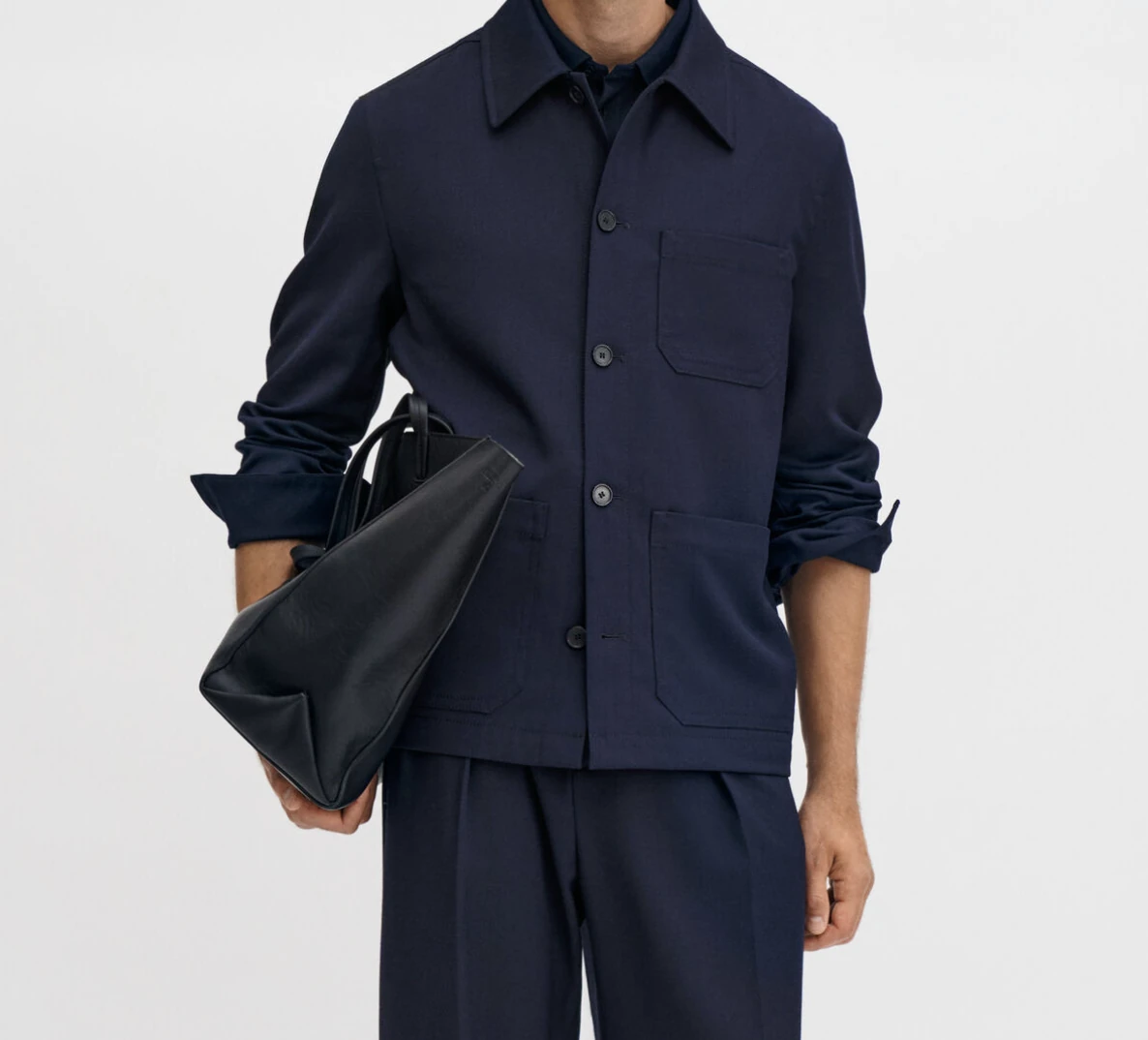
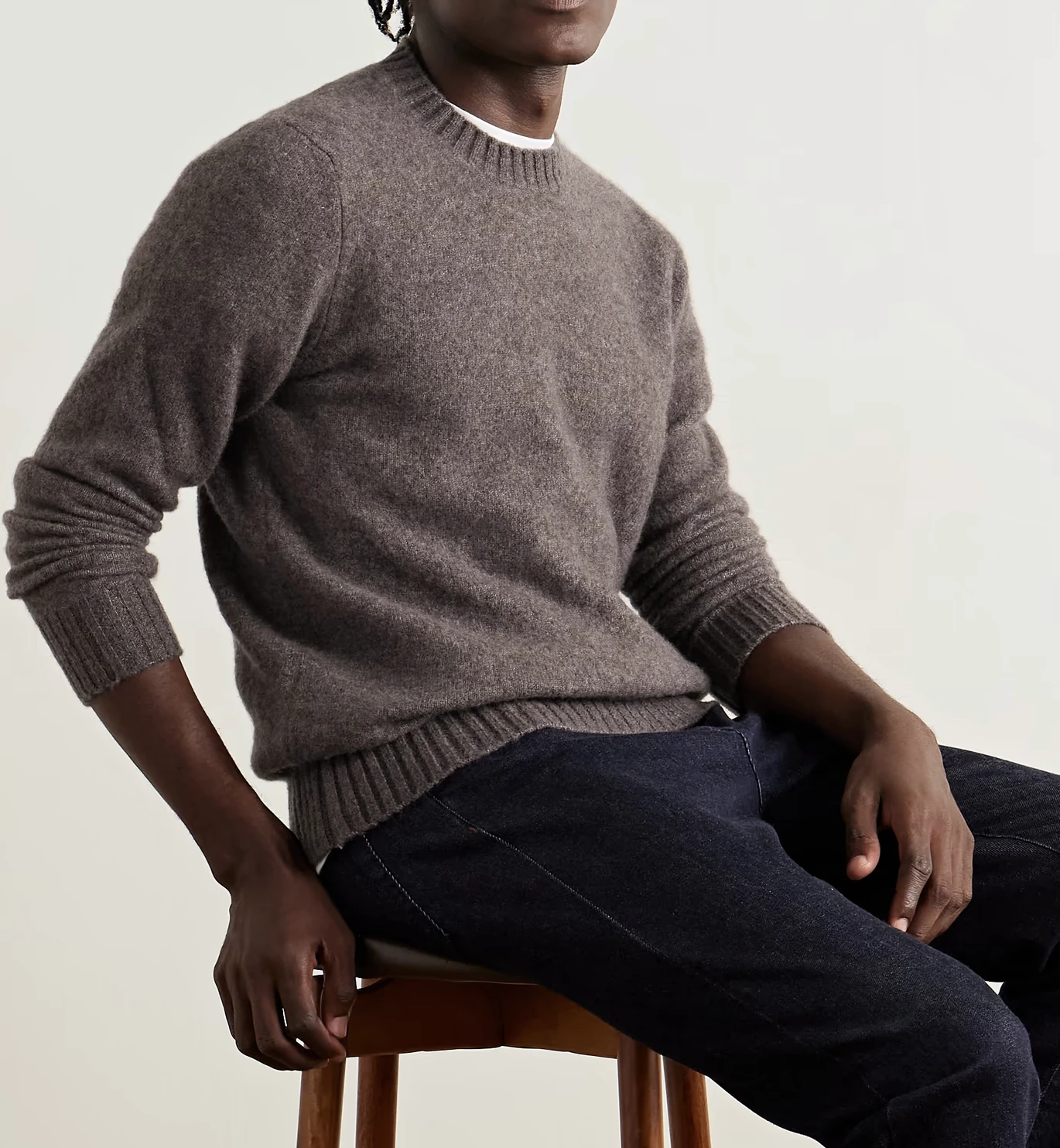
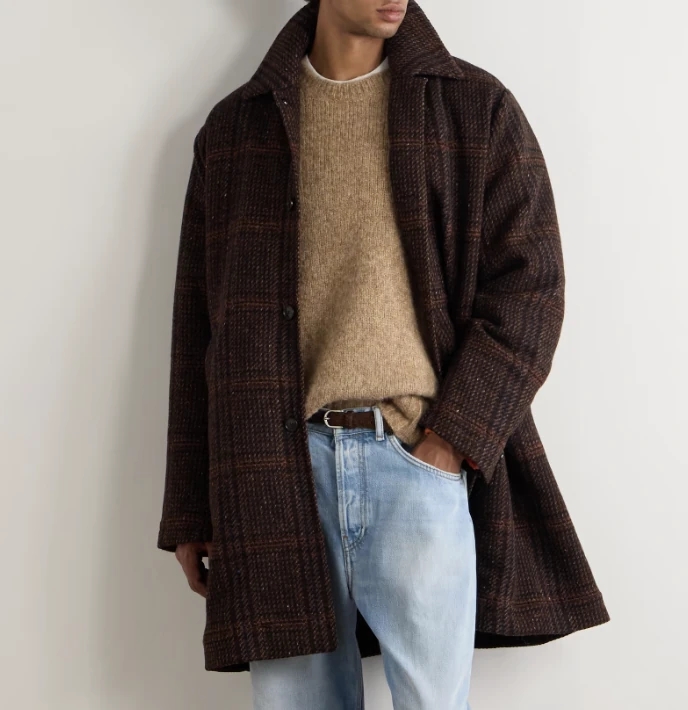
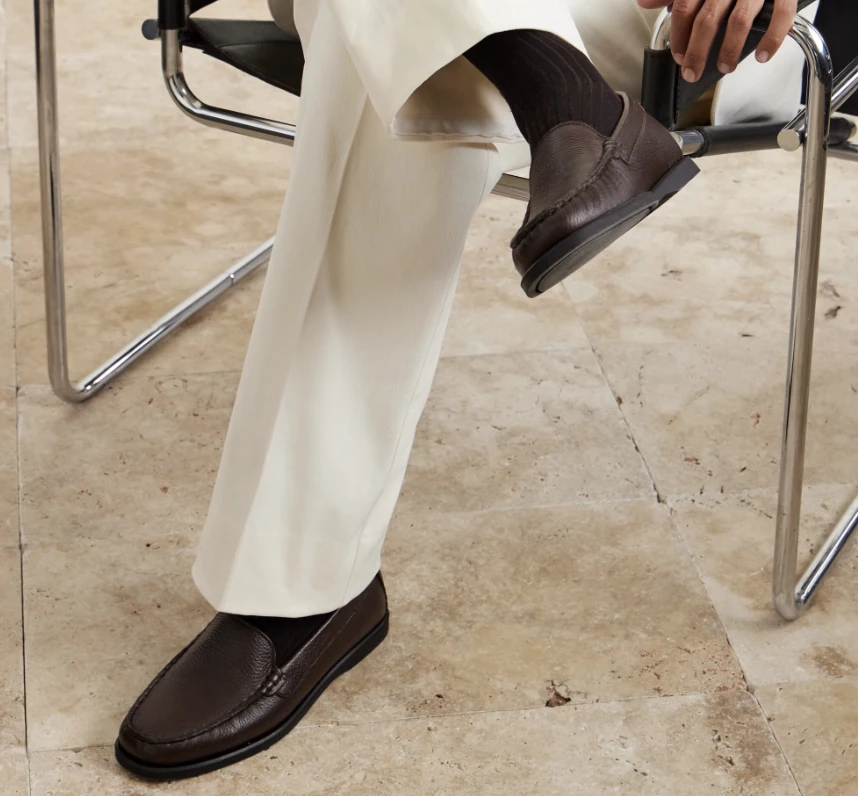
Click the images to shop
The most important part
We tend to overthink style these days. And it does make sense. Style - and stylish people - seem to be everywhere. In our own closets, it's still hard to find.
But it truly is in there. Each piece you own carries a story; some more interesting than others. That said, style is an extension of who you are. And it should always be if you want to feel at home in your clothes.
Ask yourself: Who do you identify as on the inside? Where is that person headed, and how does he carry himself? Let that inner compass guide you. Even if it's covered in a layer of dust for now, trust me, it is still working.
Time and attention are the answer.
Not your Instagram feed.
Want the full framework, including the cost-per-wear table for 10 common items? Get The Wardrobe Investment Playbook
Rinske

Rinske Fris, founder of The Curated Outfit. 11 years in menswear as a personal shopper, menswear buyer and men's stylist.