How to Dress Like a CEO Without Costume
If you are searching for how to dress as a CEO male, the usual advice will tell you to buy a better suit, wear darker colors, and add a watch. That can help, but it misses the part that matters most.
CEO style is not a costume. It is the point where your clothes stop distracting from the level of responsibility you carry. The goal is authority without stiffness, ease without casual drift, and a wardrobe that matches the rooms you are now expected to enter.
For founders, executives, and senior operators, the best version rarely looks loud. It looks accurate.
Start with the room, not the title
A CEO does not dress for one room. He may move from a team meeting to an investor call, a client dinner, a conference stage, and airport security in the same week. The wardrobe has to absorb those shifts without needing a full personality change each time.
Before buying anything, list the rooms that now matter: board meetings, hiring conversations, client-facing work, press moments, photos, travel days, dinners, offsites, and private family time where you still want to feel like yourself.
This is why a generic checklist can fail. A useful CEO wardrobe is built around context. If your current clothes still belong to an earlier professional chapter, your founder wardrobe may need to catch up before the room does it for you.
Choose soft authority over hard formality
Many men hear “CEO” and picture a dark suit, white shirt, polished shoes, and a power tie. That uniform still works in certain legal, finance, and board-heavy environments. In many modern companies, it can also look disconnected.
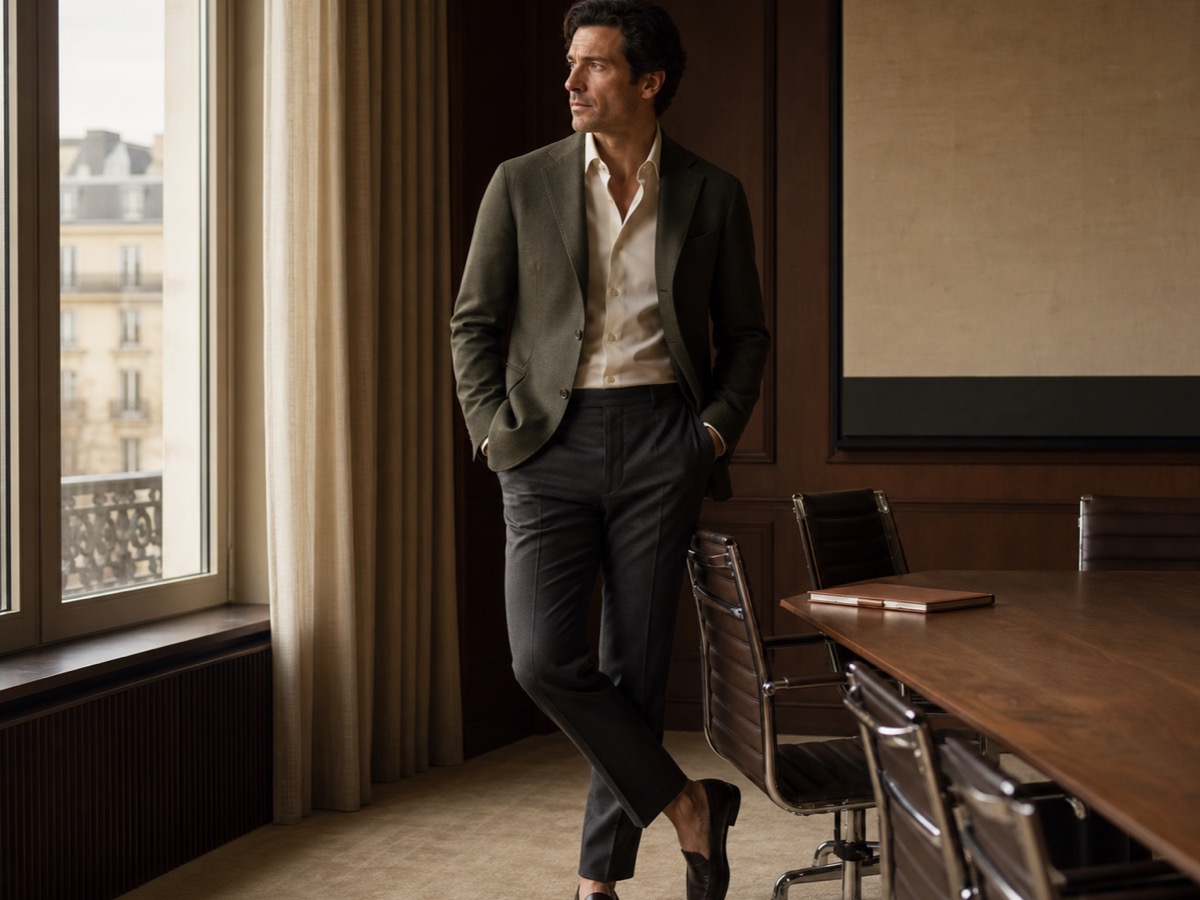
Soft authority is more useful for most TCO clients. Think unstructured tailoring, clean trousers, open-collar shirts, refined knitwear, suede or matte leather, and colors with depth rather than shine.
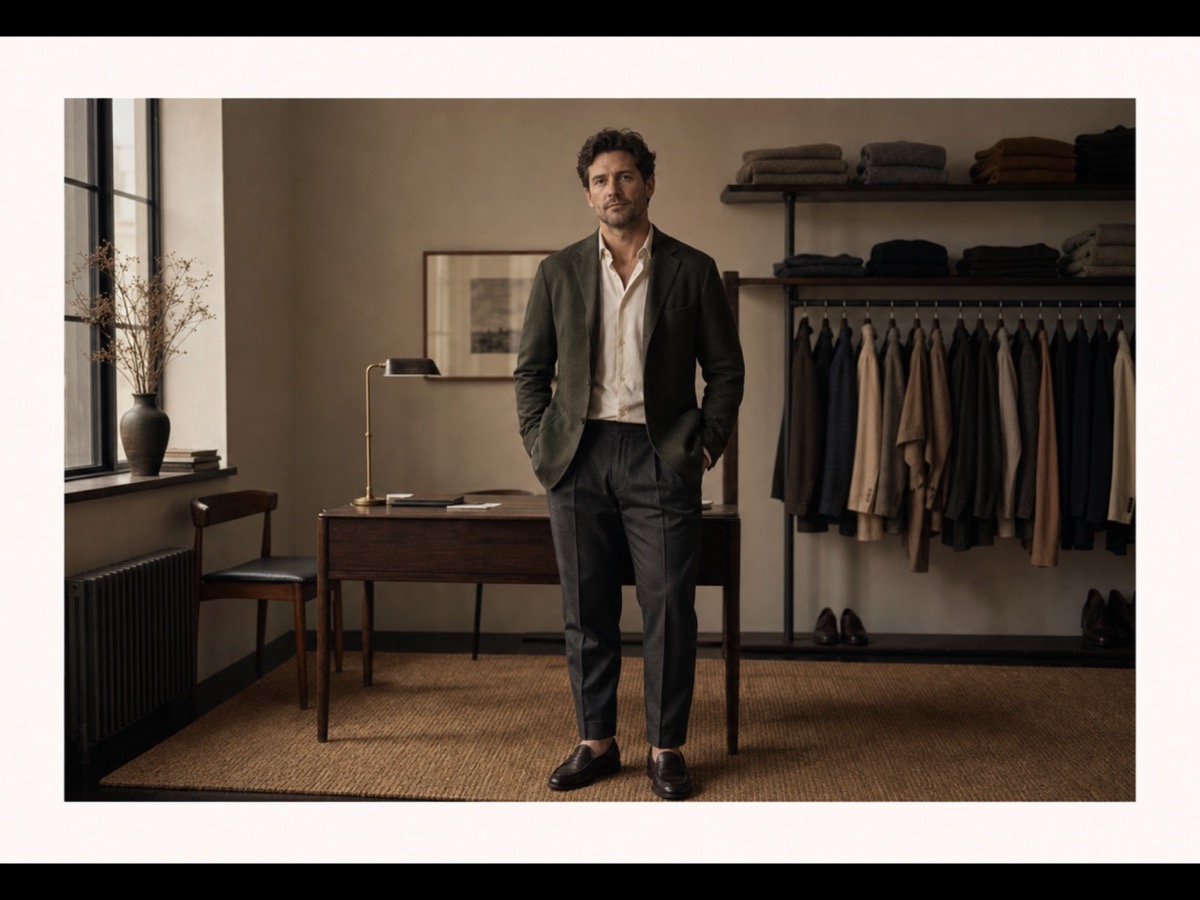
The jacket still matters. It gives shape to the upper body and signals intention. But it should feel like part of your life, not like something borrowed for a formal event. A navy, charcoal, olive, brown, or taupe jacket often carries more range than a sharp black suit.
Get the fit quiet enough to stop announcing itself
Fit is where CEO dressing either becomes calm or starts asking for attention. Too tight reads insecure. Too loose reads unfinished. Too trendy reads temporary.
You want clothes that give the body a clean line while allowing you to sit, move, travel, and speak without adjusting yourself every few minutes. Shoulders should sit cleanly. Trousers should fall without pulling. Shirts should work open at the neck if that is how you actually wear them.
If a room remembers your jacket before it remembers what you said, the clothing is working too hard. If the room quietly reads you as put together before you speak, the clothing is doing its job.
Build a repeatable CEO outfit formula
A strong wardrobe does not need endless options. It needs repeatable formulas that suit your actual week.
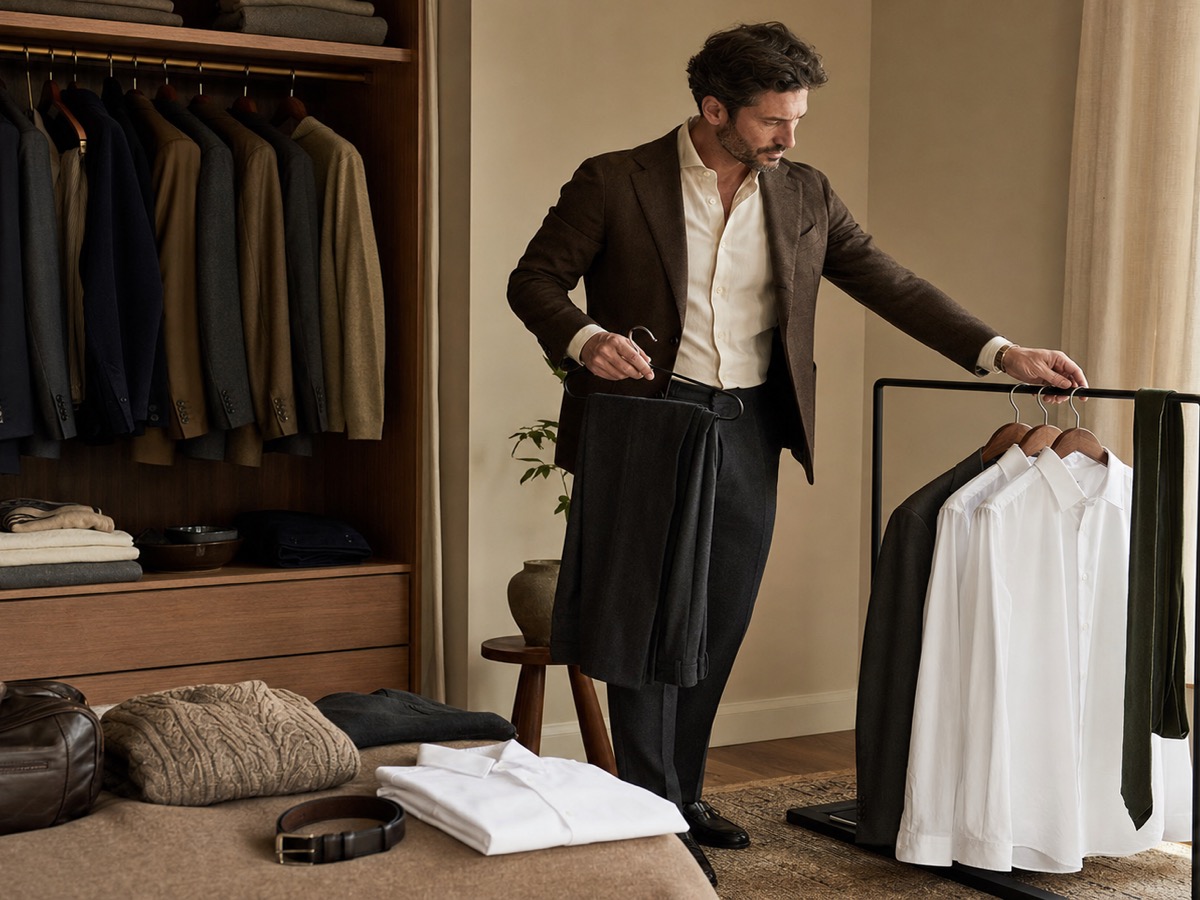
For many men, the most useful formula is simple: a soft jacket, open-collar shirt or knit polo, clean trousers, and one serious pair of shoes. Change the cloth, color, and level of polish depending on the room.
For a more relaxed company day, swap the jacket for a structured overshirt or fine knit. For a board meeting, sharpen the jacket, shirt, and shoes. For a dinner, darken the palette and soften the collar. The pieces change slightly. The underlying system stays stable.
This is the same principle behind business meeting outfits for men: the outfit should make the decision easier before the morning gets crowded.
Use color to look more considered, not louder
CEO dressing does not require a dramatic palette. In fact, the most useful colors are often quiet: navy, deep green, taupe, charcoal, tobacco, cream, olive, chocolate, stone, and muted blue.
The key is contrast. Some men need sharper contrast near the face. Others look better in softer tonal combinations. If the palette is wrong, even expensive clothes can look borrowed.
A good wardrobe uses color to create congruence. You should look like the same man across work, travel, dinners, and photos, with slight adjustments for formality. That consistency is part of the signal.
Do not let casual clothes lower the whole message
The weak point in many CEO wardrobes is not the formal clothing. It is the casual layer. The man has a decent suit, a few good shirts, then weekends and travel days collapse into old jeans, tired sneakers, hoodies, and random T-shirts.
Modern leadership often happens in casual rooms. That means casual clothes still need structure. A suede jacket, refined overshirt, substantial knit, clean trousers, or minimal leather sneaker can keep the message intact without making you feel dressed up.
If your work life is mostly smart casual, start with a clear smart casual system rather than treating casual as the absence of dressing.
Know when a suit is still the right answer
The suit is not dead. It is just no longer the automatic answer for every serious room.
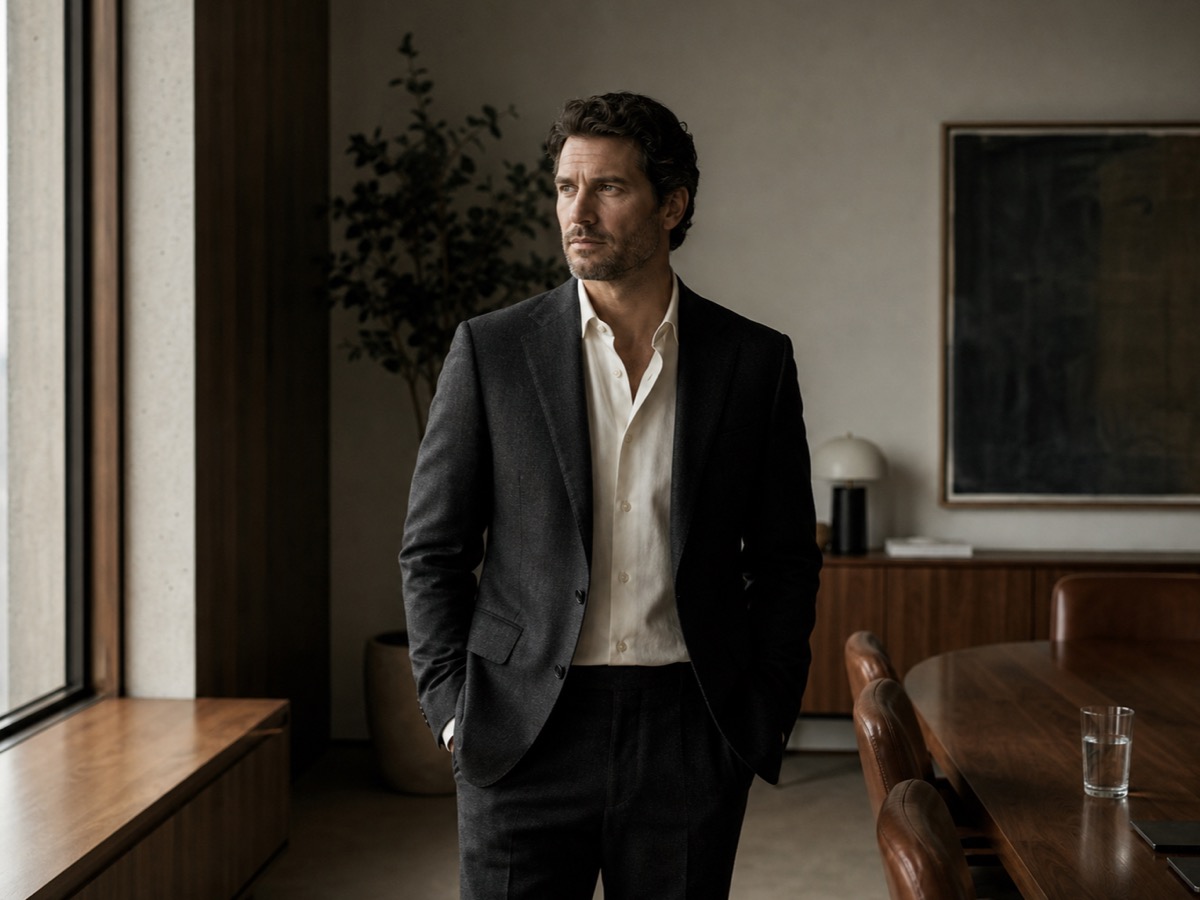
Wear one when the room expects ceremony, legal weight, investor gravity, formal photography, or old-school board culture. Keep it beautifully fitted, matte, and restrained. Avoid shiny cloth, narrow novelty details, and anything that reads like you are performing importance.
If you rarely wear a full suit, make sure your separate jacket and trousers are stronger than your suit wardrobe. Most modern CEOs get more mileage from elevated separates than from a closet full of formal suits.
Prepare for photographs before they happen
One trigger moment for many men is the photo. They feel fine in the room, then see themselves in a panel shot, team page, wedding photo, podcast clip, or investor dinner recap and realize the wardrobe is lagging behind the role.
CEO clothing has to work in person and on camera. That means the collar cannot collapse, the jacket cannot pull, the trousers cannot puddle, and the colors cannot drain your face. The outfit should hold up when you are seated, standing, speaking, and caught candidly.
If your next visible moment is high stakes, read what to wear to a board meeting and adjust for the specific room rather than dressing from a generic idea of leadership.
FAQ
What should a male CEO wear?
A male CEO should wear clothes that match his rooms, role, and industry level. For many men, that means soft tailoring, clean trousers, open-collar shirts, refined knitwear, and serious shoes. The goal is authority and ease, not theatrical power dressing.
Does a CEO need to wear a suit?
A CEO needs a suit when the room calls for formality, ceremony, or old-school authority. Many modern CEOs need elevated separates more often: a soft jacket, good trousers, clean shirt or knit, and polished shoes. The suit should be available, but it should not be the only serious option.
How do you dress like a CEO without looking try-hard?
Dress like a CEO by improving fit, fabric, color, and consistency before adding obvious status pieces. Avoid loud logos, shiny cloth, aggressive tailoring, and trend-heavy details. The clothes should look resolved enough that people notice your presence before they notice the outfit.
What colors work best for executive style?
The best executive colors are usually restrained and repeatable: navy, charcoal, olive, deep brown, taupe, cream, muted blue, and dark green. The exact palette depends on your coloring and industry. The important thing is that the colors make you look clear, current, and consistent.
The real goal
CEO style is not about looking more important than everyone else in the room. It is about removing the mismatch between who you are professionally and what your clothes still suggest.
If your wardrobe is still working from an older version of your life, apply for The Curated Reset. I’ll help you build the system so getting dressed stops taking up room in your head.