
The no. 1 style mistake successful men make
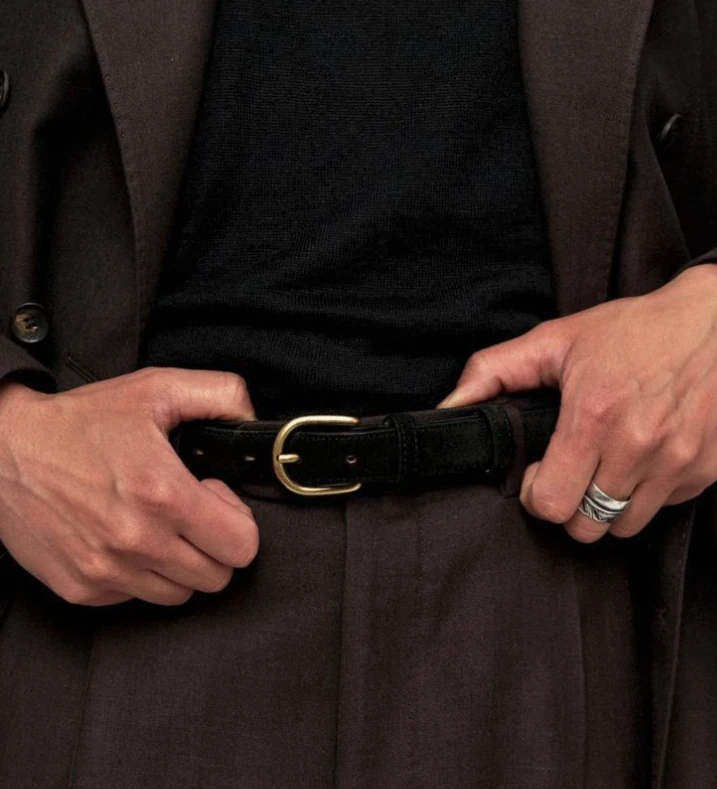
Your life has changed. You've opened doors that once felt out of reach. You're choosing the better over the cheaper.
But here's what I notice when men come to me: their wardrobe hasn't kept up.
They have great taste. They know what good style looks like. On others. But they're still wearing their 2019 uniform: just the upgraded version of that same blue polo shirt.
And it shows. The closet feels overwhelming. The outfits feel like a costume.
Here's why:
Most men try to dress better by buying a "better" version of what they were buying the last 7+ years straight.
And you know what?
That reasoning makes sense: you are a better version of who you were before.
What most men miss?
You are not the same.
One thing the most successful wardrobes have in common - no matter who they belong to - is the fact that they don't stand still. They evolve. That's where authenticity comes from.
Every style decision you make communicates something:
→ Choosing durability over trends says, "I'm building things that last."
→ Choosing precision tailoring says, "I value craftsmanship."
→ Wearing the perfect size over a 'good enough' size says, "I don't cut corners."
→ Choosing natural fabrics says, "I invest in what matters."
Your wardrobe is either working for you or against you.
Many men overlook the fact that clothes are the most powerful tool to communicate your values - without saying a word.
What that looks like in real life
Take my client Jim.
Family business owner in Ireland, father of three. His values? Steadiness, self-respect, reliability, care.
When he came to me, Jim had fallen into very casual, almost "sloppy" dressing in recent years. "Just t‑shirts and jeans with fancy runners," he told me. Pre‑Covid he wore suits and found it easy to look well‑dressed: everything was perfectly tailored to fit.
Don't get me wrong: Jim didn't have horrible style. He knew what looked good, but translating that to his own wardrobe felt overwhelming and impossible.
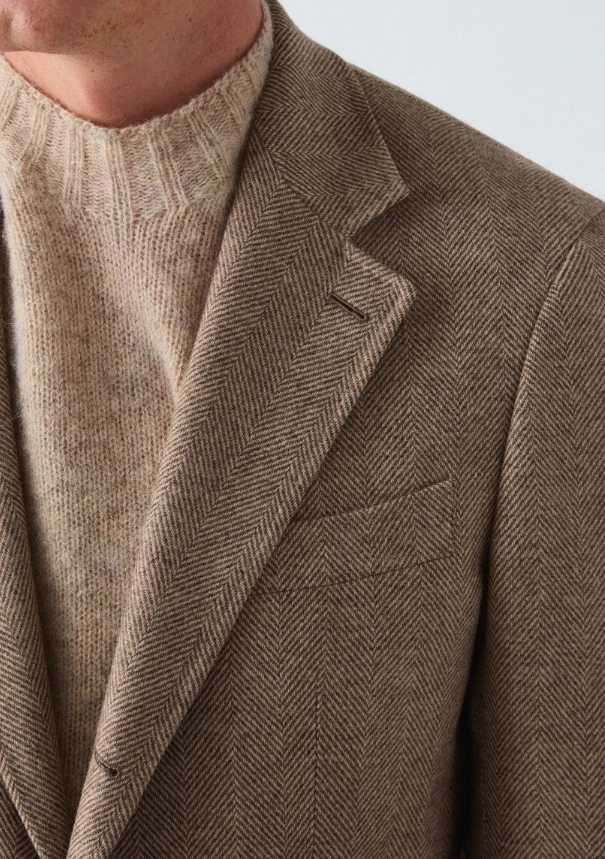
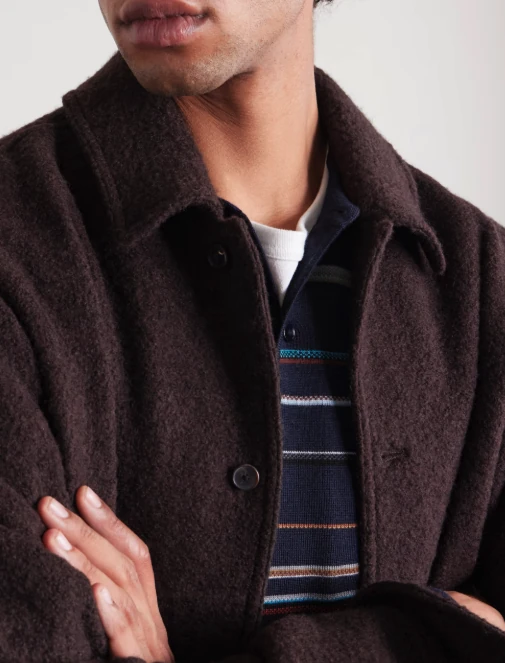
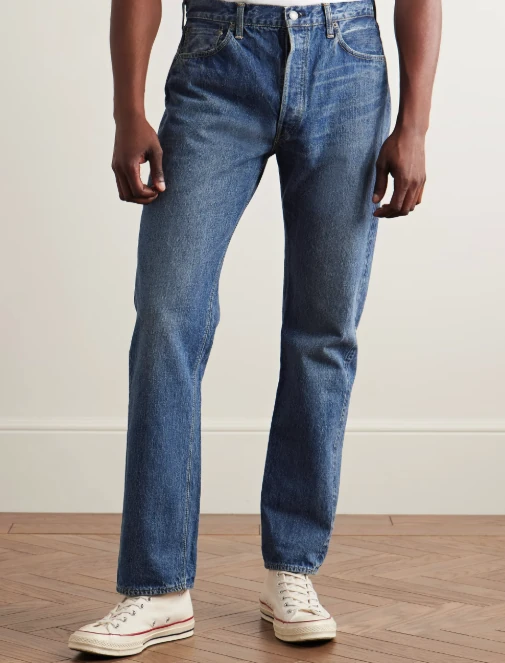
To translate his values into a personal style that made sense, we built him a wardrobe around defined shoulders, modern casual tailoring, sturdy denims, contrasted against soft knits and polos, lug sole loafers, and soft corduroy accents—pieces that reflected his actual values, not just "better versions" of what he'd been buying (limited to blues and greys).
Here's what that looked like:
Some links here are affiliate links. If you buy through them, I may earn a small commission at no extra cost to you.
The result?
Jim went from an image that undermined his authority and feeling overwhelmed every time he opened his closet to having solid outfit formulas that bring the right type of confidence to each room.
Here's the shift:
→ Stop buying better versions of the same pieces.
→ Start building a wardrobe based on the values that reflect who you are today.
When your wardrobe reflects your values, everything aligns. Choosing best-in-class pieces does the work for you. Every option is a good one. So you stop second-guessing, looking underdressed, and wasting your precious time.
The cost of being misread
The cost of not being seen for the right reasons is being seen for the wrong ones.
Most men don't realize how much potential they leave on the table because of wardrobe misalignment.
The things you reach for that have been you for years, but simply aren't anymore.
You see me talk about systems and frameworks all the time.
And yes.
A system and a strong foundation gives the image direction, and fixes the wardrobe. But it doesn't stick if you haven't made peace with the fact that evolving means growing pains.
Changing something as visible as your style takes time to feel natural. An outfit doesn't feel like yours just because you put it on.
So most men wear what's expected or what their wife likes seeing them in. While they want to dress better, they're afraid of being seen as the guy who's doing too much, must be somewhere knee deep in a midlife crisis, or worse... having an affair.
But here's the thing:
When the only person you dress well for is yourself, and it's according to your own, real taste, it's hard to make big mistakes.
Great style is being yourself on purpose.
That means not settling for what hasn't felt (and looked) aligned for the past 6 years. And instead, stepping toward what does, even when it's still unfamiliar.
So ask yourself:
Would you rather go through the short discomfort of looking different, or keep living with the discomfort of not looking like who you worked hard to become, and know you are on the inside?
Rinske
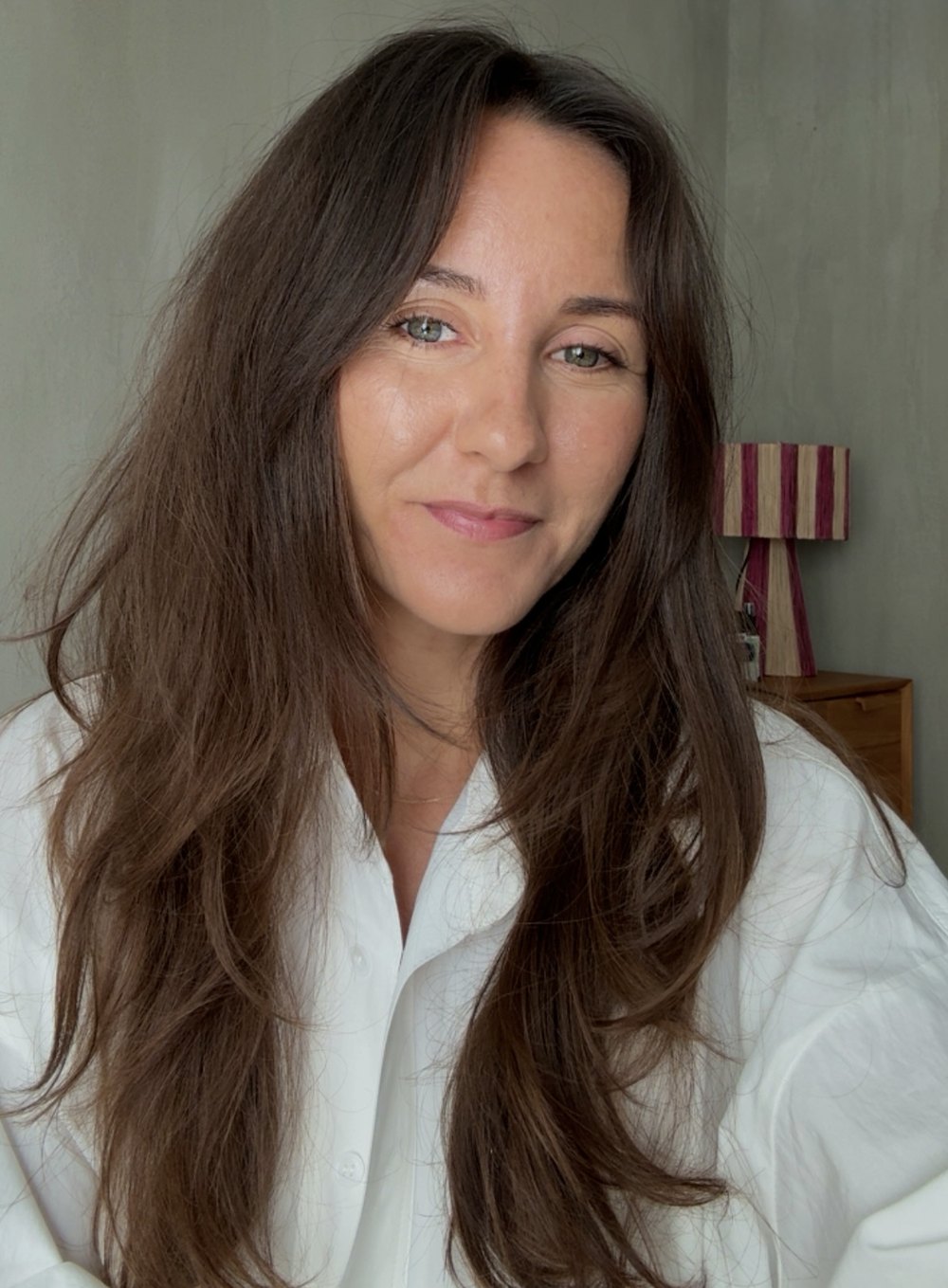
Rinske Fris, founder of The Curated Outfit. 11 years in menswear as a personal shopper, menswear buyer and men's stylist.